What Are Gardener And Grounds Maintenance?

Welcoming you to a place where the colours of the natural world come to life, where ordinary landscapes become spectacular works of art, and where peace and prosperity between people and the planet are fostered.

In this imaginative weblog, we set out on an exciting adventure into the fascinating world of gardening and groundskeeping, a sector brimming with infinite imagination, fervent enthusiasm, and reverence for the natural world’s wondrousness.

green snake on brown soil

Gardening and groundskeeping are both the art and science of tending to and improving the appearance of outdoor areas. Experts in this field bring green areas to life, transforming them into places of peace and beauty through a symbiotic relationship between design, horticulture, and environmental stewardship.

As we go more into this fascinating field, we will examine the many responsibilities that gardeners and landscapers have. These talented people are the land’s stewards as well as its creators, and they do so by creating a visual and sensorial feast for us to enjoy.

What Are Gardener And Grounds Maintenance?

Gardener

A gardener is someone who makes a living growing and tending to plants, flowers, and other vegetation in gardens and other outdoor locations. They have a comprehensive comprehension of plant biology, soil chemistry, and the elements that affect plant development in the natural environment.

Professional gardeners have the ability to plant, prune, water, fertilise, and prevent the spread of disease and pests. Landscape designers and maintainers use their skills in a variety of settings, including private residences, public parks, botanical gardens, nurseries, and even as self-employed professionals.

Grounds Maintenance

The term “grounds maintenance” is used to describe the process of routinely inspecting, cleaning, and repairing a business or public property’s outside spaces. This broad term refers to any number of activities performed to keep the grounds looking nice and functioning well.

To ensure the safety and functionality of outside areas, grounds care specialists are tasked with mowing lawns, pruning hedges, removing debris, managing irrigation systems, applying fertilisers and pesticides, and conducting regular inspections. In addition to tending to the plants, they also take care of the paths, fences, tools, and other infrastructure that makes up the grounds.

Maintaining a beautiful and functional outdoor space is a team effort that relies heavily on the efforts of gardeners and groundskeepers. Because of the technical expertise, hands-on experience, and true love of the outdoors required for their work, the places they create leave visitors feeling refreshed and renewed.

Duties Of A Gardener

The tasks of a gardener can range from those listed above, depending on the nature of the garden and the needs of the client, to those listed below.

Planting And Maintenance

Gardeners are in charge of sowing seeds and providing maintenance for a wide range of vegetation, including trees, bushes, flowers, and shrubs. This includes preparing the soil, selecting plants that are suitable for the site, and ensuring that the plants receive the required amounts of sunlight, water, and nutrients.

As part of their responsibilities, they must perform routine chores such as pruning, trimming, and deadheading the plants in order to keep the plants’ health and appearance in good condition.

Soil Preparation And Fertilization

Gardeners analyse the makeup of the soil and make any required adjustments in order to create the most favourable conditions for plant growth. To achieve this goal, the pH of the soil is measured, organic matter is added, and fertilisers or compost are either used or spread. The result is increased plant growth and vitality.

Weed And Pest Control

The removal of weeds, which are unwanted plants that compete with desirable plants for nutrients and water, is a priority for gardeners. They make use of a variety of strategies, including hand removal, mulching, and the application of herbicides when those methods are essential. In addition to this, they quickly identify and eliminate any insect infestations that they find, taking the necessary precautions to safeguard the plants from any potential harm.

Irrigation And Water Management

Gardeners are responsible for managing watering schedules as well as irrigation systems to guarantee that plants receive the appropriate amount of moisture. They check the moisture levels of the soil, change the timings for the irrigation systems, and in order to save water, they may install efficient watering systems such as drip irrigation.

Seasonal Planting And Harvesting

Gardeners are experts in the climatic conditions that various plant species demand throughout the year. They devise and carry out planting programmes, giving careful consideration to variables such as the timing of blooms, the synchronisation of colours, and the compatibility of plants. It is possible for them to participate in the planting, nurturing, and harvesting of crops in vegetable gardens and orchards.

Landscape Design And Layout

Some gardeners collaborate closely with landscape architects or customers on the planning and design of outdoor areas, which can be considered part of their job responsibilities. They offer suggestions regarding the types of plants to use, where those plants should be placed, and the garden’s design as a whole.

Equipment And Tools Maintenance

Gardeners are the ones who are responsible for the repair and maintenance of their tools and equipment. This involves cleaning, sharpening blades, and repairing or replacing equipment as needed to ensure that the activity is carried out in an effective and risk-free manner.

Record-Keeping And Reporting

It’s possible for gardeners to keep records of plant inventory, insect control strategies, fertilisation schedules, and other crucial information. This assists in monitoring the health of the plant, recognising patterns, and organising planned maintenance activities for the future.

Customer Service And Communication

Gardeners frequently engage in conversation with customers or property owners in particular contexts, such as in residential gardens and companies specialising in landscaping. They may provide ideas, respond to questions, and provide assistance on how to properly care for and maintain the plant.

Gardeners, in general, are dedicated protectors of the environment, who use their knowledge and talents to design, build, and sustain aesthetically pleasing and productive green environments.

Conclusion

When it comes to bringing the outdoors to life and keeping them healthy, gardeners are the unsung heroes. Their work entails many different tasks, such as planting and caring for a wide range of plants, keeping healthy soil, preventing the spread of pests and diseases, and watering the garden enough.

They are experts in the field of horticulture, know the fundamentals of landscape architecture, and are aware of the many aspects that affect plant growth.

To improve the visual appeal and practicality of outdoor spaces, gardeners are indispensable. Not only do they know how to keep plants alive and healthy, but they also know how to arrange them in a way that looks beautiful. They are experts at responding to seasonal shifts, making informed plant choices, and carrying out planting schemes that result in a harmonious blend of sights, sounds, and smells.

In addition to caring for plants, gardeners must also tend to their tools and equipment, keep detailed records of their work, and provide excellent service to their customers. Because of their hard work and meticulousness, outdoor areas flourish and beckon people to explore the natural world.

The work of a gardener is ultimately a synthesis of artistic expression, scientific enquiry, and ecological responsibility. Because of their efforts to protect and improve the natural environment, people can experience the peace, inspiration, and gratitude that come from being in touch with nature.

Looking for a trusted and professional gardener to maintain your beautiful garden? Well, gardener kew is the answer! Visit us today!
Everything You Need To Know About Commercial Fit Out

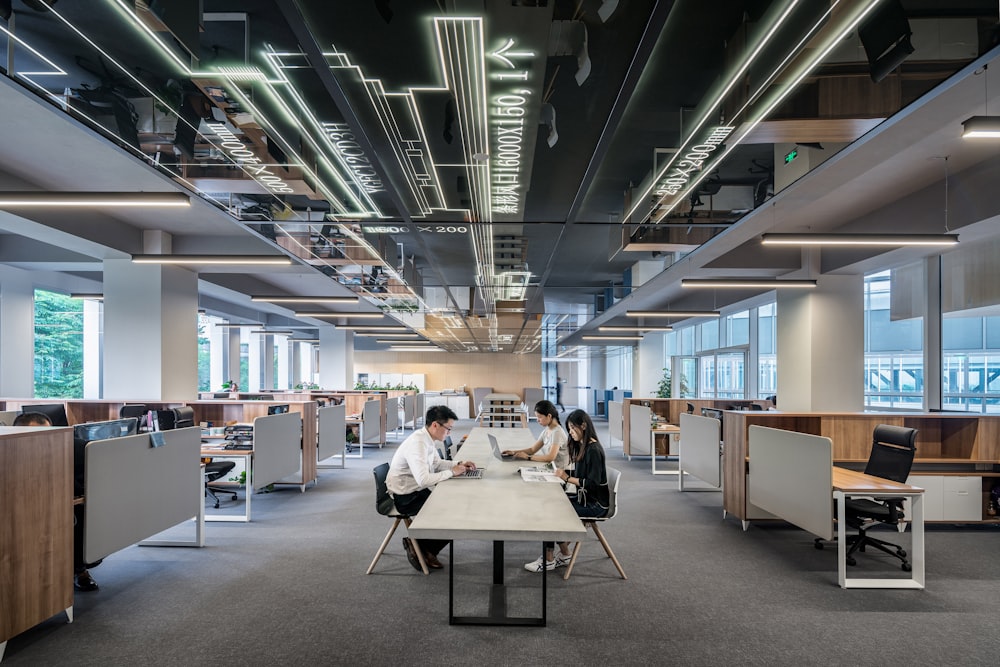
Usually, when a developer constructs a commercial space, it is a bare building called a vanilla box. The tenant or the company that moves in can tweak the interiors by adding fit-outs that embody their brand.

man and woman sitting on table

Some companies offer fit-out solutions based on the space and its function. With the changing times, the requirements of offices are changing and so are the fit-out trends. 

Everything You Need To Know About Commercial Fit Out

Commercial fit-out refers to the process of customizing and fitting out a commercial space such as an office, retail store, or restaurant to meet specific business requirements. This involves designing, building, and installing fixtures, fittings, and equipment that are necessary to create a functional and visually appealing workspace. Here are some key things you need to know about commercial fit-out:

1. Types Of Commercial Fit-Out:

There are generally two types of commercial fit-out: Category A and Category B fit-out.

Category A Fit Out:

Category A fit-out is also known as shell and core fit-out. It involves the basic construction and installation of essential building services such as mechanical and electrical services, heating, ventilation, air conditioning (HVAC), plumbing, lifts, and stairs. A Category A fit-out typically provides a blank canvas for tenants to customize according to their needs.

Category B Fit Out:

Category B fit-out is also known as tenant fit-out or interior fit-out. It involves the customization and installation of fixtures, fittings, and finishes to create a fully functioning and visually appealing space. A Category B fit-out includes partition walls, flooring, lighting, furniture, IT infrastructure, and other bespoke elements that are specific to the tenant’s requirements.

In addition to these two main types of commercial fit-out, there are also other subcategories of fit such as shell and core plus fit-out, which is a combination of Category A and B fit-out, and fast track fit-out, which is a faster and more streamlined fit out process that is often used for short-term leases or temporary spaces.

2. Importance Of Planning:

Planning is essential to the success of a commercial fit-out project. Here are some reasons why:

Identifying Business Needs:

Effective planning helps businesses identify their needs and requirements for the fit-out project. This includes identifying the number of employees, their roles, and the space required to accommodate them. Planning also helps businesses determine the type of equipment, technology, and amenities required to support their operations.

Setting Timelines:

Planning helps businesses set realistic timelines for the fit-out project. This includes determining the start and end dates of the project, as well as identifying key milestones and deadlines. Proper planning can help ensure that the project is completed on time and within budget.

Budgeting:

Planning helps businesses determine the budget required for the fit-out project. This includes estimating the cost of materials, labour, and other expenses. Proper budgeting can help avoid cost overruns and ensure that the project is completed within the allocated budget.

Selecting Contractors And Suppliers:

Planning helps businesses identify and select the right contractors and suppliers for the fit-out project. This includes evaluating their experience, qualifications, and references. Proper planning can help ensure that the project is completed to the desired standard and within the agreed timeline and budget.

Avoiding Delays And Issues:

Planning helps businesses identify potential issues and challenges that may arise during the fit-out project. This includes identifying and addressing any compliance or regulatory issues, as well as any technical or logistical challenges. Proper planning can help avoid delays, cost overruns, and other issues that can derail the project.

In summary, planning is essential to the success of a commercial fit-out project. It helps businesses identify their needs, set realistic timelines and budgets, select the right contractors and suppliers, and avoid delays and issues that can derail the project.

3. Compliance With Regulations:

Compliance with regulations is an important aspect of commercial fit-out projects. Failure to comply with regulations can result in legal issues, financial penalties, and potential risks to the health and safety of occupants. Here are some regulations that must be considered during a commercial fit-out:

Building Regulations:

Building regulations set standards for the design and construction of buildings to ensure the health, safety, and welfare of occupants. This includes requirements for structural stability, fire safety, ventilation, acoustics, and accessibility.

Planning Permission:

Planning permission is required for most types of development, including commercial fit-out projects. This ensures that the proposed development is in line with local planning policies, and takes into account the impact on the environment and neighbouring properties.

Health And Safety:

Health and safety regulations set standards for ensuring the health and safety of occupants in the workplace. This includes requirements for the safe use of equipment and machinery, as well as measures to prevent accidents and reduce the risk of injury or illness.

Environmental Regulations:

Environmental regulations set standards for minimizing the impact of the fit-out project on the environment. This includes requirements for waste management, energy efficiency, and sustainable building practices.

Disability Access:

Disability access regulations set standards for ensuring that buildings are accessible and usable by people with disabilities. This includes requirements for accessible entrances, corridors, and lifts, as well as suitable toilet facilities.

Compliance with these regulations requires careful planning and attention to detail throughout the commercial fit-out project. It is important to work with qualified professionals and contractors who have experience in complying with these regulations and obtaining the necessary permits and approvals.

4. Importance Of Design:

Design is an important aspect of commercial fit-out projects. It plays a critical role in creating a space that is functional, efficient, and aesthetically pleasing. Here are some reasons why design is important in commercial fit-out:

Improved Functionality:

Design can help improve the functionality of a space by optimizing the layout and flow of the space. This includes identifying the best location for workstations, break areas, meeting rooms, and other functional areas.

Enhanced Productivity:

Design can also enhance productivity by creating a space that is conducive to work. This includes factors such as lighting, ventilation, and acoustics, as well as the design of workstations and other work-related areas.

Reflecting Brand Identity:

Design can help reflect the brand identity of a business by incorporating elements such as colours, logos, and other branding elements. This helps create a cohesive brand image and reinforces the identity of the business.

Creating A Welcoming Environment:

Design can create a welcoming environment for employees and visitors by incorporating elements such as artwork, plants, and comfortable seating areas. This helps create a positive atmosphere and promotes a sense of well-being.

Attracting And Retaining Talent:

Design can also play a role in attracting and retaining talent by creating a space that is attractive and comfortable to work in. This can help businesses attract and retain employees who are looking for a modern, well-designed workplace.

In summary, design is an important aspect of commercial fit-out projects. It can help improve functionality, enhance productivity, reflect brand identity, create a welcoming environment, and attract and retain talent. It is important to work with experienced designers and architects who can create a space that meets the needs and requirements of the business.

5. Costs Involved:

Commercial fit-out costs can vary greatly depending on the size and complexity of the project, as well as the location and quality of materials and finishes used. Here are some of the main costs involved in a commercial fit-out:

Design And Planning:

The cost of design and planning includes the fees for architects, interior designers, and other professionals who will help create the design concept and plan the fit-out project. This may include site surveys, feasibility studies, and the creation of detailed design plans.

Building Works:

Building works involve the actual construction and installation of the fit-out project, including structural work, electrical and plumbing installation, flooring, walls, ceilings, and lighting. The cost of building works can vary greatly depending on the complexity of the project and the materials used.

Furniture And Fixtures:

The cost of furniture and fixtures includes the purchase and installation of desks, chairs, storage cabinets, and other items required for the fit-out project. The cost of these items can vary depending on the quality, style, and brand of the furniture and fixtures.

Technology And Equipment:

The cost of technology and equipment includes the purchase and installation of computers, servers, printers, and other technology required for the fit-out project. The cost of technology and equipment can vary depending on the type and quality of the equipment.

Project Management:

The cost of project management includes the fees for project managers who will oversee the fit-out project from start to finish. This includes coordinating with contractors, suppliers, and other professionals, as well as managing budgets and timelines.

Compliance And Regulatory Fees:

Compliance and regulatory fees include the costs of obtaining permits and approvals required for the fit-out project, as well as fees for compliance with building regulations, health and safety regulations, and environmental regulations.

It is important to note that commercial fit-out costs can vary greatly depending on the specific requirements of the project. Businesses should work closely with qualified professionals to develop a detailed budget and cost estimate for the fit-out project.

6. Benefits Of Commercial Fit Out:

Commercial fit-outs can provide many benefits for businesses, including:

Improved Functionality:

A well-designed and executed commercial fit-out can improve the functionality of a workspace by optimizing the layout and flow of the space. This can improve productivity and efficiency, making it easier for employees to perform their tasks and complete projects on time.

Enhanced Brand Image:

A well-designed commercial fit-out can help reinforce a brand’s identity and image by incorporating brand colours, logos, and other elements. This can create a cohesive and professional image for the business, which can help attract and retain customers.

Increased Employee Satisfaction:

A commercial fit-out that is designed with the needs of employees in mind can increase employee satisfaction and morale. A comfortable and attractive workspace can help reduce stress and improve well-being, leading to a more productive and engaged workforce.

Cost Savings:

A well-planned commercial fit-out can help businesses save money in the long run. This includes savings on energy costs, as well as reduced maintenance and repair costs due to the use of high-quality materials and equipment.

Future-Proofing:

A commercial fit-out that is designed with the future in mind can help businesses adapt to changing needs and trends. This includes incorporating flexible and adaptable spaces that can be easily modified to meet changing business needs.

Improved Customer Experience:

A commercial fit-out that is designed to create a positive and welcoming environment can improve the customer experience. This can help attract and retain customers, as well as improve customer satisfaction and loyalty.

Overall, a well-executed commercial fit-out can provide many benefits for businesses, including improved functionality, enhanced brand image, increased employee satisfaction, cost savings, future-proofing, and improved customer experience. It is important to work with experienced professionals to design and execute a commercial fit-out that meets the specific needs and requirements of the business.

Summary

In summary, commercial fit-out is an essential process that can help businesses create a functional and visually appealing workspace. Proper planning, compliance with regulations, effective design, and careful budgeting are crucial to the success of a commercial fit-out project.

Conclusion

In conclusion, commercial fit-outs are an important aspect of creating a functional, attractive, and productive workspace. A well-planned and executed commercial fit-out can improve functionality, enhance brand image, increase employee satisfaction, reduce costs, future-proof the space, and improve the customer experience.

Businesses need to work closely with experienced professionals to develop a detailed plan and budget for their commercial fit-out project, and to ensure compliance with relevant regulations and standards. By investing in a high-quality commercial fit-out, businesses can create a workspace that is tailored to their specific needs and that supports their overall success and growth.

If you are from Perth and are interested in having some commercial fit-out, you might want to check Access Projects’ website or you may click on commercial fitouts perth


Men’s Tailored Shorts

A pair of shorts might be the smallest item on your sartorial shopping list, but that doesn’t mean you should treat it like an afterthought. As any well-dressed man knows, it’s important to invest time and consideration into the purchase of warm-weather legwear. This link tailored shorts men’s – tailoredathlete.co.uk

With pressed creases, a constructed waist and slanted pockets, this high-rise pair from Stockholm-based label ASKET takes inspiration from classical tailoring for a polished aesthetic that’s ideal for smarter occasions. Wear with a tucked-in dress shirt, leather trainers and a belt to finish the look.

Effortless Style: Unveiling the Charm of Men’s Tailored Shorts

Choosing the right pair of shorts will depend on your lifestyle and personal style. You’ll likely find yourself wearing them for both sport and leisure activities, so it’s worth investing in a versatile option that will serve you well throughout the year. Look out for stretchy, sweat-wicking fabrics that will be ideal for workouts and a light construction that’ll keep you cool during everyday wear.

Tailored shorts are any style of men’s or women’s chino-style shorts that have been tailored to fit. This can be done by a seamstress or tailor, or they can be purchased ready made and altered to your size. When purchasing tailored shorts, it’s important to check that they have enough fabric left in the seat and waist area to allow for hemming and tapering. If this is the case, simply mark them to your desired length with a safety pin and Tad More Tailoring will take care of the rest.