
What Pest Is Most Damaging To A House?
Termites are among the most destructive pests that can compromise a home’s structural integrity. These unseen intruders can wreak havoc on timber buildings and go undetected for a long time.
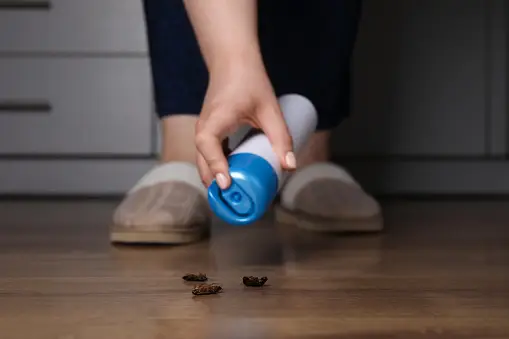
Homeowners must be knowledgeable about their habits, symptoms of infestation, and efficient ways to prevent infestation to protect their properties. This article delves into the reasons termites are so dangerous and offers advice on how to keep your house safe from their wrath.
What Pest Is Most Damaging To A House?
Several pests can be highly damaging to a house, depending on the region and the specific vulnerabilities of the structure. Some of the most damaging pests include:
- Termites: These insects can cause extensive damage to wooden structures and can go undetected for a long time, leading to structural weaknesses and potentially costly repairs.
- Carpenter Ants: Similar to termites, carpenter ants burrow into wood to create nests, which can weaken the integrity of wooden structures over time.
- Rodents: Mice and rats can cause damage by gnawing on wood, insulation, and electrical wiring, which can lead to fire hazards and structural issues.
- Powderpost Beetles: These beetles lay their eggs in wood, and their larvae feed on the wood, creating tunnels and weakening the structure.
- Carpenter Bees: These bees bore into wood to create nests, which can lead to significant damage over time, especially in untreated or unpainted wood.
- Cockroaches: While not directly damaging to structures, cockroaches can spread diseases and contaminate food, posing health risks to inhabitants.
Each of these pests requires different methods for prevention and treatment, often involving professional pest control services to effectively manage and minimize damage.
What Is The Most Common House Pest?
The most common house pests vary depending on location and environment, but some of the most frequently encountered pests include:
- Ants: Particularly common are species like pavement ants and carpenter ants, which can invade homes in search of food and shelter.
- Cockroaches: These resilient pests are found worldwide and thrive in warm, humid environments, often infesting kitchens and bathrooms.
- Rodents: Mice and rats seek shelter indoors, especially during colder months, posing health risks and causing damage by gnawing on materials.
- Bed Bugs: These small, elusive insects feed on blood and can be challenging to eradicate once they infest bedding and furniture.
- Spiders: While generally harmless, spiders can become a nuisance when they establish webs in corners and undisturbed areas.
- Silverfish and Carpet Beetles: These pests feed on organic materials such as paper, fabric, and stored food, causing damage to household items.
Controlling these pests often involves maintaining cleanliness, sealing entry points, and, in some cases, seeking professional pest management services for effective eradication and prevention strategies.
What Is The Hardest Pest To Control?
The hardest pest to control often depends on factors such as environmental conditions, the extent of infestation, and the specific methods available for eradication. However, some of the most challenging pests to control include:
- Bed Bugs: These insects are notoriously difficult to eliminate due to their ability to hide in tiny cracks and crevices, resistance to many pesticides, and their rapid reproduction rate.
- Termites: Controlling termites can be challenging because they often infest hard-to-reach areas within walls, foundations, and other structural components. Effective treatment requires specialized knowledge and methods.
- Cockroaches: Cockroaches are resilient pests that can develop resistance to pesticides over time. They also reproduce quickly and can spread throughout a property, making complete eradication difficult without comprehensive treatment.
- Rodents: Mice and rats are adaptive pests that can enter buildings through small openings and can evade traps and baits. Their ability to transmit diseases and cause structural damage adds to the complexity of control efforts.
- Wood-Boring Insects (e.g., Powderpost Beetles): These pests can be challenging to detect and eliminate because they infest and damage wood from the inside out, often causing significant structural damage before they are noticed.
Successfully managing these pests often requires a combination of preventive measures, regular inspections, targeted treatments, and, in some cases, professional pest control services to ensure effective eradication and long-term control.
How To Get Rid Of Pest?
Getting rid of pests effectively depends on the type of pest you’re dealing with. Here are general steps that can help:
- Identify the Pest: Determine exactly what type of pest you’re dealing with so you can choose the appropriate control methods.
- Eliminate Food Sources: Pests are often attracted to food and water. Keep surfaces clean, store food in sealed containers, and fix any leaks.
- Remove Clutter: Pests thrive in cluttered environments. Declutter areas where pests are found to reduce hiding spots.
- Seal Entry Points: Prevent pests from entering your home by sealing cracks, gaps, and openings around doors, windows, and pipes.
- Use Traps and Baits: Depending on the pest, traps and baits can be effective. Place them strategically where pests are active.
- Apply Pesticides: Consider using pesticides as a last resort and always follow the instructions carefully. Use non-toxic or natural options when possible, especially in areas accessed by pets or children.
- Regular Maintenance: Keep up with regular cleaning, maintenance, and inspections to catch pests early and prevent future infestations.
- Seek Professional Help: For persistent or severe infestations, or for pests that are difficult to control on your own (like termites or bed bugs), consult with a pest control professional who can provide targeted treatments and ongoing management.
By taking these steps, you can effectively manage and reduce pest problems in your home or property.
When To Do Pest Control?
Knowing when to do pest control depends on several factors, more info here:
- Season: Some pests are more active during specific seasons. For example, ants and mosquitoes may be more prevalent in warmer months, while rodents may seek shelter indoors during colder months.
- Signs of Infestation: If you notice signs of pests such as droppings, nests, chewed materials, or sightings of the pests themselves, it’s important to take action promptly to prevent the infestation from worsening.
- Preventive Maintenance: Regular preventive pest control measures, such as sealing cracks and gaps, maintaining cleanliness, and using traps or baits as needed, can help prevent infestations before they become a problem.
- Specific Life Cycles: Some pests have specific life cycles that make them more vulnerable at certain times. For example, treating for termites before they swarm or treating for bed bugs before an infestation spreads can be more effective.
- Weather Conditions: Certain weather conditions, such as heavy rains or droughts, can influence pest behaviour and activity. Monitoring these conditions can help anticipate pest problems.
- Routine Inspections: Conducting routine inspections of your home, especially in vulnerable areas like basements, attics, and crawl spaces, can help detect pests early before they become established.
Proactive and regular pest control measures can help prevent infestations and minimize the need for more intensive treatments later on. If you’re unsure about when to do pest control or how to address a specific pest issue, consulting with a pest control professional can provide guidance tailored to your situation.
Conclusion
To properly manage pests in your house, it’s important to know what kind of pest you’re up against, see early warning signs of infestation, and put control measures in place. You can keep pests at bay by being proactive and adopting measures like closing entry points and removing food sources.
If the problem persists, you can also use traps and bait or call a professional pest control service. If you want to keep pests at bay and make sure your home is safe and comfortable for your family, regular maintenance and prompt response are musts.
Leave a Reply