
dJHDHSGAAHSCKJHSH
xzgcuyzxghcuilhzcjz
xzgcuyzxghcuilhzcjz
Interior and exterior design have evolved far beyond simple painted walls and flat ceiling surfaces. Modern homes, luxury apartments, heritage buildings, hotels, restaurants, and commercial spaces increasingly rely on architectural finishes that add texture, character, depth, and artistic detail to the environment.
Among the most visually impressive and enduring finishing techniques used in Melbourne properties today is decorative plastering. From elegant Venetian plaster walls and ornate cornices to textured feature surfaces and handcrafted ceiling details, decorative plastering transforms ordinary spaces into refined interiors that feel unique, sophisticated, and architecturally rich.
Decorative plastering refers to specialised plaster finishes and ornamental plasterwork designed to improve the visual appearance of walls, ceilings, columns, cornices, and architectural features.
Unlike standard plastering, which focuses mainly on creating smooth surfaces, decorative plastering combines craftsmanship and artistic techniques to produce textured finishes, polished surfaces, decorative mouldings, and custom design elements.
Decorative plaster may be used in contemporary minimalist interiors, luxury homes, heritage restorations, hospitality venues, and commercial developments where presentation and architectural detail play a major role in the overall design concept.
One of the most common questions property owners ask when exploring premium wall finishes is: What is decorative plastering called? Decorative plastering is often referred to by several names depending on the style and technique being used.
It may be called ornamental plastering, Venetian plastering, decorative rendering, architectural plasterwork, textured plastering, or artisan plaster finishes. These terms generally describe plastering methods that focus on aesthetic enhancement and decorative craftsmanship rather than basic wall surfacing alone.
Decorative plastering has become increasingly popular in Melbourne because homeowners and designers are looking for finishes that provide individuality and visual sophistication.
Unlike standard painted walls, decorative plaster creates depth, texture, movement, and natural variation that give interiors a more luxurious and timeless appearance. Many decorative plaster finishes also offer excellent durability, low maintenance, and long-term design appeal.
This article explores Decorative Plastering Melbourne in detail, explains what decorative plastering is called, discusses the different decorative plastering styles and techniques available, and highlights how decorative plaster finishes enhance residential and commercial interiors with artistic craftsmanship and architectural elegance.
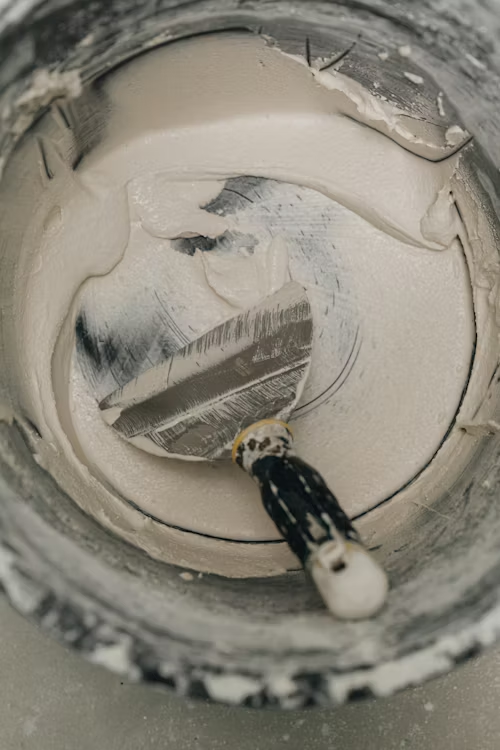
Modern interior design increasingly focuses on creating spaces that feel personalised, visually interesting, and architecturally distinctive. While paint remains common for wall finishes, decorative plastering offers a level of depth and texture that paint alone cannot easily replicate.
Decorative plaster surfaces interact with lighting differently because textured finishes create subtle shadows and tonal variation throughout the day. This gives walls a softer, more natural, and more luxurious appearance compared to flat painted surfaces.
Another reason decorative plastering has become popular is its versatility. Decorative plaster can suit many design styles, including contemporary minimalism, Mediterranean interiors, industrial aesthetics, heritage restoration, and luxury residential design. Finishes can range from smooth, polished plaster to heavily textured rustic surfaces, depending on the desired atmosphere.
Decorative plastering also offers long-term durability. Many plaster finishes resist wear, minor impacts, and ageing better than standard painted drywall surfaces. Certain finishes are also moisture-resistant, making them suitable for bathrooms, kitchens, and hospitality environments.
In Melbourne, decorative plastering is especially valued because the city combines modern architecture with a strong appreciation for heritage design and artisan craftsmanship. Decorative plaster finishes help bridge traditional elegance and contemporary style within both residential and commercial spaces.
Decorative plastering focuses on artistic and architectural wall finishes.
Plaster textures add depth and visual character.
Architectural detailing improves interior sophistication.
Many decorative plasters are applied manually by skilled tradespeople.
Premium finishes support elegant and modern spaces.
Decorative plastering may be known by several different names.
This term often refers to decorative mouldings and ceiling features.
Polished plaster finishes are commonly called Venetian plaster.
Decorative structural detailing falls under architectural plastering.
Exterior decorative plaster finishes are often called rendering.
Venetian plaster remains one of the most popular decorative finishes.
Venetian plaster creates smooth and luxurious surfaces.
Multiple plaster layers create depth and movement.
Light interacts beautifully with polished plaster textures.
High-end interiors frequently feature Venetian plaster walls.
Textured plaster creates artistic and visually dynamic surfaces.
Textured plaster supports warm and organic interiors.
Architectural textures create visual focal points.
Artisan techniques create unique wall appearances.
Textures improve dimension and character within rooms.
Older Melbourne properties often feature decorative plaster details.
Ornamental edges improve ceiling transitions beautifully.
Decorative ceiling centres create classic elegance.
Traditional plaster details enhance heritage architecture.
Specialised restoration preserves original craftsmanship carefully.
Contemporary design increasingly embraces decorative plaster surfaces.
Subtle plaster textures suit modern architecture perfectly.
Smooth continuous finishes improve spatial flow.
Soft plaster tones create calming environments.
Decorative plaster adds sophistication to wet areas.
Decorative plastering is also widely used outdoors.
Smooth rendered exteriors support contemporary design trends.
Decorative rendering adds visual interest to facades.
Exterior plaster improves moisture resistance.
Rendered finishes highlight structural design elements effectively.
Ceilings can become architectural focal points through decorative plastering.
Decorative recessed patterns improve room depth.
Classic detailing creates luxurious interiors.
Contemporary ceiling designs integrate lighting and texture.
Historic ceilings often require careful preservation work.
Different decorative finishes require specialised materials.
Lime products create breathable and natural finishes.
Luxury finishes often contain fine mineral materials.
Gypsum supports smooth interior decorative work.
Exterior finishes rely on stronger weather-resistant systems.
Decorative finishes require high levels of craftsmanship and precision.
Hand polishing creates smooth, reflective surfaces.
Multiple coats create depth and artistic variation.
Ornamental detailing requires sculptural skill.
Final polishing enhances colour and movement effects.
Older decorative finishes often require restoration work.
Movement cracks should be repaired carefully.
Historic mouldings may require specialist craftsmanship.
Repairs should blend naturally with surrounding finishes.
Authentic restoration maintains architectural significance.
Commercial interiors increasingly use decorative plaster finishes.
Luxury finishes improve customer experience significantly.
Decorative walls strengthen brand presentation.
Textured interiors create atmosphere and visual warmth.
Modern workspaces benefit from architectural detailing.
Decorative plaster offers both practical and visual advantages.
Handcrafted finishes create individuality and character.
Quality plaster surfaces resist ageing effectively.
Luxury finishes increase visual appeal significantly.
Decorative plaster remains stylish across changing trends.
Lighting strongly influences decorative plaster’s appearance.
Polished plaster reacts beautifully to daylight changes.
Textures create depth and visual softness.
Decorative finishes support modern lighting systems.
Plaster textures contribute significantly to the room ambience.
Poor workmanship can reduce both durability and appearance.
Inconsistent finishes affect visual balance.
Unsuitable products may crack or discolour over time.
Preparation strongly affects plaster adhesion and quality.
Repairs should maintain consistency with existing finishes.
Experienced artisans achieve significantly better results.
Different projects require specialised plastering expertise.
Decorative work demands craftsmanship beyond standard plastering.
Professionals select finishes suited to the project style.
Past projects demonstrate finish quality and consistency.
Decorative plaster costs vary depending on complexity and materials.
Large or highly detailed projects require more labour.
Luxury finishes increase material expenses significantly.
Decorative plastering is highly skill-intensive work.
Historic restoration often involves specialised techniques.
Decorative plastering continues evolving alongside design trends.
Eco-friendly lime finishes continue gaining popularity.
Subtle finishes remain highly desirable in modern homes.
Custom handcrafted surfaces are increasingly valued.
Melbourne interiors often combine heritage and modern influences.
Decorative plastering may be called ornamental plastering, Venetian plastering, architectural plasterwork, decorative rendering, or textured plaster finishing depending on the technique and style.
Decorative plastering is widely used in homes, hotels, restaurants, heritage buildings, luxury apartments, retail stores, and commercial interiors.
Yes, professionally applied decorative plaster finishes are highly durable and can maintain their appearance for many years with proper care.
Decorative plastering in Melbourne continues transforming ordinary walls and ceilings into elegant architectural features that combine artistry, craftsmanship, and long-term durability. From polished Venetian plaster and textured feature walls to ornate heritage mouldings and modern rendered finishes, decorative plastering adds sophistication and individuality to both residential and commercial interiors.
Understanding what decorative plastering is called also highlights the wide variety of styles and techniques available within this specialised trade. Whether referred to as ornamental plastering, decorative rendering, architectural plasterwork, or Venetian plastering, these finishes share a common purpose of enhancing spaces through texture, detail, and visual refinement.
A professionally completed decorative plastering project offers far more than surface decoration alone. It improves atmosphere, strengthens architectural character, enhances property presentation, and helps create interiors and exteriors that feel timeless, luxurious, and visually memorable for many years to come.