
What Is The Lifespan Of Double Glazed Windows?
Double-glazed windows have become a standard feature in modern homes and buildings due to their energy efficiency, noise reduction properties, and aesthetic appeal. However, like any other component of a building, double-glazed windows have a finite lifespan. Understanding the factors that influence their longevity can help homeowners make informed decisions about maintenance, repair, and replacement.
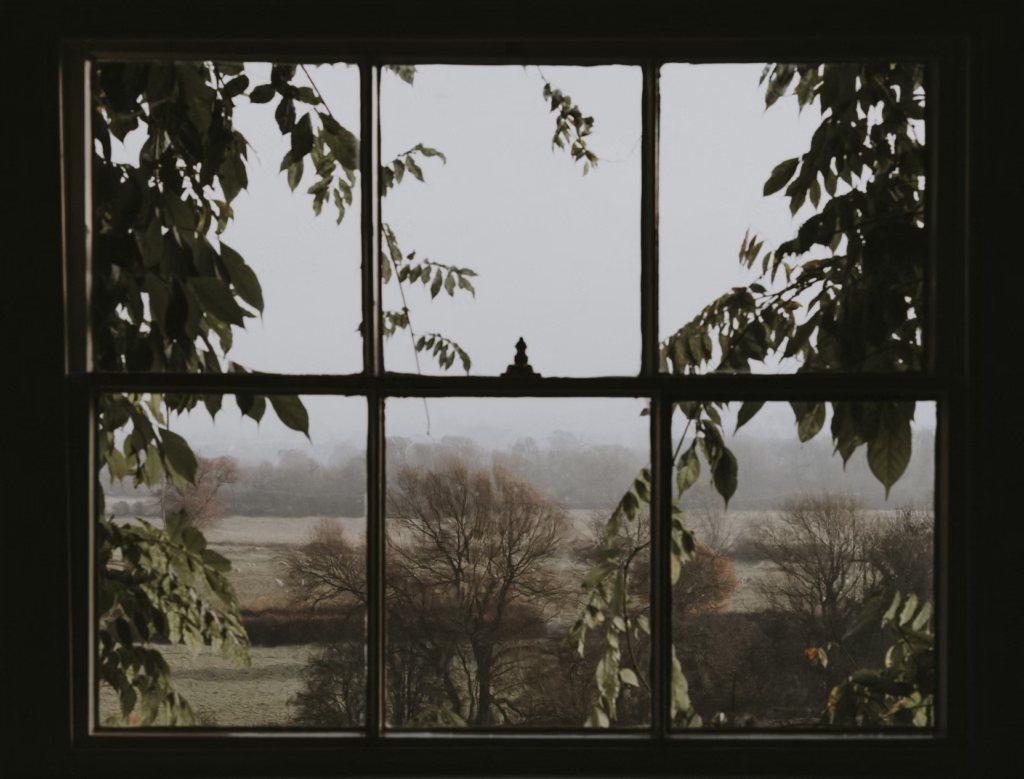
In this comprehensive guide, we’ll explore the lifespan of double-glazed windows, factors that affect their durability, signs of wear and tear, maintenance tips, and when to consider replacement.
What are Double Glazed Windows?
Double-glazed windows, also known as insulated glass units (IGUs), consist of two panes of glass separated by a space filled with air or inert gas, such as argon or krypton. The space between the glass panes is typically sealed to prevent moisture from entering. This design creates a thermal barrier that reduces heat transfer, making double-glazed windows more energy-efficient than single-pane windows.
The Lifespan of Double-Glazed Windows
The lifespan of double-glazed windows can vary depending on several factors, including the quality of materials, installation, maintenance, and environmental conditions. On average, well-maintained double-glazed windows can last anywhere from 15 to 30 years or more. However, certain factors can either shorten or extend their lifespan.
Factors Affecting Lifespan
Double-glazed windows provide homeowners with a range of benefits, from improved energy efficiency to enhanced comfort and noise reduction. However, their longevity can vary based on several factors. Understanding these factors can help homeowners make informed decisions about installation, maintenance, and replacement. Below, we delve into the key factors that influence the lifespan of double-glazed windows:
Quality of Materials:
The quality of materials used in manufacturing double-glazed windows plays a significant role in determining their lifespan. High-quality glass, seals, and spacers are essential for durability and longevity. Opting for windows made with premium materials can result in better performance and extended lifespan.
Installation:
Proper installation is crucial for the performance and longevity of double-glazed windows. Improper installation can lead to air or moisture infiltration, compromising the integrity of the windows and shortening their lifespan. It’s essential to hire experienced professionals who follow industry best practices to ensure a proper installation.
Maintenance:
Regular maintenance is key to extending the lifespan of double-glazed windows. Cleaning the glass, frames, and seals regularly helps prevent the buildup of dirt, grime, and debris, which can contribute to deterioration over time. Additionally, periodic inspection of seals and gaskets allows for early detection and repair of any issues, such as seal failure or damage.
Environmental Conditions:
The environment in which double-glazed windows are installed can have a significant impact on their lifespan. Exposure to extreme temperatures, sunlight, moisture, and pollutants can accelerate wear and tear on windows. Harsh environmental conditions can cause seals to deteriorate, glass to degrade, and frames to warp or rot prematurely.
Quality of Seal:
The integrity of the seal between the glass panes is critical for preventing moisture ingress and maintaining energy efficiency. If the seal fails, moisture can enter the space between the panes, leading to condensation, fogging, and reduced insulation. High-quality seals that are properly installed can help prolong the lifespan of double-glazed windows.
Usage:
The frequency of use and proper operation of double-glazed windows can impact their lifespan. Excessive opening and closing or improper operation can lead to mechanical failures or damage to window components. Educating occupants about proper window operation and maintenance can help mitigate potential issues and prolong the lifespan of windows.
Quality of Manufacturing:
The manufacturing process plays a crucial role in determining the quality and durability of double-glazed windows. Manufacturers that adhere to strict quality control standards and use advanced technology and techniques are more likely to produce windows that withstand the test of time. Investing in windows from reputable manufacturers known for their quality and reliability can contribute to a longer lifespan.
Thermal Stress:
Double-glazed windows are subjected to thermal stress due to temperature fluctuations, especially in climates with extreme weather conditions. Thermal stress can cause glass panes to expand and contract, putting strain on seals and frames. Over time, this can lead to seal failure, cracks in the glass, or warping of frames, reducing the lifespan of windows.
Exposure to Moisture:
Moisture is a common enemy of double-glazed windows. Exposure to moisture, whether from rain, humidity, or condensation, can lead to mould growth, rotting of frames, and deterioration of seals. Proper drainage and waterproofing around windows, as well as regular inspection and maintenance, are essential for preventing moisture-related damage and extending the lifespan of windows.
External Factors:
External factors such as location, proximity to coastal areas, and exposure to saltwater can also affect the lifespan of double-glazed windows. Coastal regions are more prone to salt corrosion, which can degrade window components over time. Installing windows with corrosion-resistant materials and implementing proper maintenance practices can help mitigate the impact of external factors on window lifespan.
The lifespan of double-glazed windows is influenced by a combination of factors, including the quality of materials, installation, maintenance, environmental conditions, and usage. By understanding these factors and taking proactive measures to address them, homeowners can maximize the longevity and performance of their windows, ensuring years of comfort, energy efficiency, and aesthetic appeal.
Signs of Wear and Tear
Recognizing the signs of wear and tear is essential for assessing the condition of double-glazed windows and determining if they need repair or replacement. Common signs of window deterioration include:
- Condensation between the panes: Moisture buildup indicates seal failure and compromised insulation.
- Drafts or air leaks: Gaps or cracks in the seals can allow air infiltration, reducing energy efficiency.
- Visible damage to glass or frames: Cracks, chips, or warping may compromise the structural integrity of the window.
- Difficulty opening or closing: Mechanical issues or misalignment can make it challenging to operate the windows properly.
Maintenance Tips
To prolong the lifespan of double-glazed windows and ensure optimal performance, follow these maintenance tips:
a. Regular Cleaning: Clean the glass, frames, and seals regularly using mild detergent and water to remove dirt, grime, and debris.
b. Inspect Seals and Gaskets: Periodically inspect the seals and gaskets for signs of wear, deterioration, or damage. Replace any worn or damaged seals to prevent moisture infiltration.
c. Check for Drafts: Test for drafts or air leaks around the window frames using a candle or a smoke pen. Seal any gaps or cracks with weatherstripping or caulk.
d. Avoid Harsh Cleaners: Avoid using abrasive cleaners or solvents that can damage the glass, frames, or seals.
e. Maintain Proper Ventilation: Proper ventilation helps prevent moisture buildup and condensation on windows. Use exhaust fans in kitchens and bathrooms to reduce humidity levels indoors.
f. Trim Surrounding Vegetation: Trim trees, shrubs, and bushes near windows to prevent branches from scratching or damaging the glass or frames during windy conditions.
g. Professional Inspection: Schedule periodic inspections by a qualified professional to assess the condition of double-glazed windows and address any issues promptly.
When to Consider Replacement
Despite regular maintenance, there may come a time when replacement is necessary. Consider replacing double-glazed windows if:
- The seals are irreparably damaged, leading to significant condensation or air leakage.
- The glass is cracked, chipped, or otherwise compromised.
- The frames are warped, rotted, or deteriorated beyond repair.
- The windows are outdated and no longer meet energy efficiency standards.
- Repair costs exceed the cost of replacement.
Conclusion
Double-glazed windows offer numerous benefits, including energy efficiency, noise reduction, and improved comfort. By understanding the factors that influence their lifespan and following proper maintenance practices, homeowners can maximize the longevity and performance of their windows. Regular inspection, cleaning, and repair are essential for identifying issues early and addressing them promptly.
When the time comes for replacement, investing in high-quality windows and professional installation can ensure years of comfort, efficiency, and aesthetic appeal for your home.
If you are interested, click diy double glazed windows for more information.
Leave a Reply