What Is Freight Under Management?

The process of entrusting the management of transportation and logistics services to a third-party provider, who is commonly referred to as a third-party logistics (3PL) provider, is referred to as freight under management. This practice often involves outsourcing the administration of these activities. Through the utilization of strategic outsourcing, businesses can take advantage of the expertise and resources provided by specialist logistics firms to enhance the effectiveness of their supply chain operations. 

When companies delegate the administration of their freight to a third-party logistics provider (3PL), they can gain efficiencies in numerous aspects of logistics management, including shipping, warehousing, distribution, and overall logistics management. In this article, a more in-depth investigation of the concept of freight under management is presented. The article focuses on the benefits and drawbacks of this concept, as well as the growing significance of strategic partnerships in the management of modern supply chains.

What Is Freight Under Management?

Freight under management refers to the process where a company outsources the oversight and execution of its freight transportation and logistics operations to a third-party logistics (3PL) provider. This strategic approach allows businesses to leverage the expertise, resources, and network of a specialized logistics partner to optimize their supply chain efficiency.

Key aspects of freight under management typically include:

  • Transportation Management: This involves planning, coordinating, and optimizing the movement of freight, whether by road, rail, sea, or air. The 3PL provider manages everything from carrier selection and negotiation to routing and tracking shipments.
  • Visibility and Tracking: Through advanced technology and systems, the 3PL offers real-time visibility into the status and location of shipments. This transparency helps improve communication, anticipate delays, and ensure on-time delivery.
  • Cost Optimization: By consolidating shipments, negotiating competitive rates with carriers, and implementing efficient transportation strategies, the 3PL helps reduce transportation costs for the client.
  • Risk Management: Managing freight under management includes handling potential risks such as delays, disruptions, and compliance issues. The 3PL implements contingency plans and ensures regulatory compliance to mitigate these risks.
  • Performance Analytics: Utilizing data analytics and reporting tools, the 3PL provides insights into transportation KPIs (Key Performance Indicators) such as transit times, freight spending, and carrier performance. This data-driven approach helps identify areas for improvement and drive operational efficiencies.

Freight under management allows companies to focus on their core competencies while benefiting from the specialized expertise and operational efficiencies provided by a 3PL. It is a strategic decision aimed at improving supply chain performance, reducing costs, and enhancing overall customer satisfaction through reliable and efficient logistics management.

What Type Of Business Is Freight?

It is the transportation and logistics industry that is most closely identified with the concept of freight. It involves the transfer of commodities and cargo from one point to another, often through the utilization of a variety of modes of transportation such as aeroplanes, trains, ships, and trucks. Several different stakeholders are involved in the freight business, including the following:

  • Freight Carriers: These are companies or individuals that transport goods. They could be trucking companies, shipping lines, rail operators, or air cargo carriers.
  • Freight Forwarders: These are intermediaries who arrange and manage the transportation of goods on behalf of shippers. They consolidate shipments, negotiate rates with carriers, handle documentation, and provide logistics services.
  • Third-Party Logistics (3PL) Providers: These are companies that offer outsourced logistics and supply chain management services, including freight management, warehousing, distribution, and fulfilment.
  • Shipping and Freight Brokers: These are intermediaries who facilitate transactions between shippers and carriers. They help match shipping needs with available transportation capacity and negotiate contracts.
  • Logistics Service Providers: These are companies that offer a wide range of logistics services, including freight management, inventory management, order fulfilment, and supply chain consulting.

A big part of the worldwide trade and commerce sector is played by the freight industry. This industry is responsible for ensuring that commodities are transported without any interruptions across a broad variety of distances and geographical locations. To effectively manage and optimize the transportation and delivery of goods from suppliers to customers, it is necessary to make use of complex networks, infrastructure, rules, and technologies.

What Is The Future Of Freight In Australia?

The future of freight management Australia is influenced by several key trends and factors that are shaping the industry:

  • Technological Advancements: Like many other countries, Australia is increasingly adopting digital and automated technologies in freight management. This includes the use of the Internet of Things (IoT) for real-time tracking, Artificial Intelligence (AI) for predictive analytics, and automation in warehousing and transportation.
  • Infrastructure Development: Investment in infrastructure such as ports, railways, and roads is critical for improving freight efficiency and connectivity across the country. Projects like inland rail connections and upgrades to major highways are expected to enhance freight transport capabilities.
  • E-commerce Growth: The rise of e-commerce has led to increased demand for efficient freight and logistics services to handle the movement of goods between businesses and consumers. This trend is driving innovations in last-mile delivery and urban logistics solutions.
  • Sustainability Initiatives: There is a growing emphasis on reducing the environmental footprint of freight transport through initiatives such as electric vehicles, alternative fuels, and efficient routing strategies. Australia’s commitment to sustainability goals will likely influence future freight policies and practices.
  • Regulatory Changes: Regulatory frameworks governing freight transport, including safety standards, environmental regulations, and trade policies, will continue to evolve. These changes can impact operational costs and logistics strategies for businesses involved in freight.
  • Supply Chain Resilience: Recent global disruptions, such as the COVID-19 pandemic, have highlighted the importance of supply chain resilience. There is a growing focus on building robust and agile supply chains that can withstand unexpected disruptions and ensure the continuity of freight operations.

The future of freight in Australia is poised for transformation driven by technology, infrastructure development, sustainability goals, and evolving consumer and business demands. Adapting to these trends will be crucial for stakeholders in the freight industry to remain competitive and meet the evolving needs of customers and supply chains.

Conclusion

The future of freight in Australia is characterized by a dynamic landscape that is determined by technological innovation, the growth of infrastructure, the imperatives of sustainability, and the growing regulatory frameworks. This landscape will be characterized by the growth of infrastructure.

As a result of the effects that digitalization and automation have had on the operations of the business, the logistics industry is put in a position to become more efficient and responsive to the expectations of customers. It is projected that connectivity and capacity will be improved across the continent as a result of investments in infrastructure, which include significant projects such as inland rail development.

Alterations in environmental practices and how last-mile delivery is carried out are also being brought about by the proliferation of online shopping and the growing significance of protecting the environment. While these transformations are taking place, it will be necessary for businesses that wish to survive in the expanding freight sector throughout Australia to have resilient supply chains and the flexibility to react to changes in the regulatory requirements that are being imposed.

Stakeholders can navigate towards a future in which freight transport not only meets but also exceeds expectations for reliability, efficiency, and environmental stewardship. This is only possible if stakeholders are prepared to embrace the opportunities and challenges that are offered to them.
What Are The Effects Of Freight Transportation?

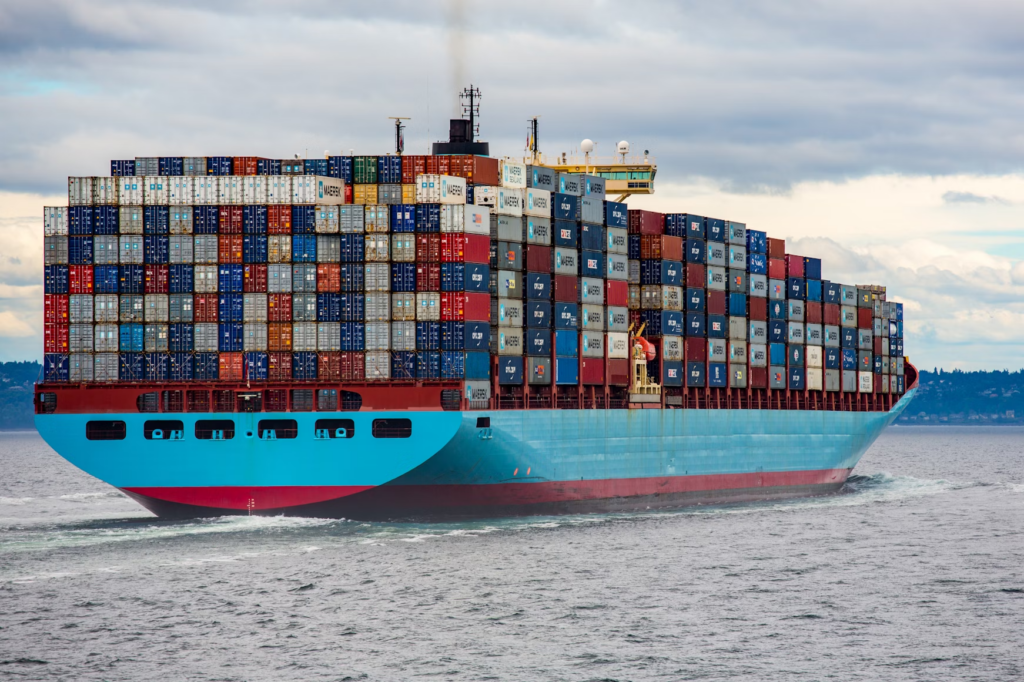
To facilitate the transfer of goods over great distances using a variety of means of transportation, including trucks, trains, ships, and aeroplanes, freight transportation is an essential component of international trade transactions. Even though it is necessary for economic activity and supply chains for consumers, freight transportation also has a substantial influence on the environment, infrastructure, and society as a whole. 

This article takes a comprehensive look at these consequences, analyzing not only the advantages but also the difficulties that are involved with the exportation of goods around the world. To establish sustainable transportation strategies and mitigate the negative effects that these impacts have on our planet and people, it is vital to have a solid understanding of these impacts.

What Are The Effects Of Freight Transportation?

Freight transportation, essential for global trade and economic activity, has several significant effects:

Environmental Impact

  • Greenhouse Gas Emissions: Freight transportation contributes to a substantial portion of global greenhouse gas emissions, primarily through the use of fossil fuels in trucks, ships, and aeroplanes.
  • Air Pollution: Diesel engines used in trucks and ships emit pollutants like particulate matter and nitrogen oxides, contributing to local air quality issues.
  • Noise Pollution: Freight transportation activities generate significant noise pollution, especially in urban areas near ports, railways, and highways.

Infrastructure Impacts

  • Road Congestion: Heavy trucks contribute to road wear and congestion, impacting infrastructure maintenance costs and traffic flow.
  • Rail and Port Capacity: Efficient freight movement requires well-maintained rail lines and ports, with inadequate capacity leading to delays and inefficiencies.

Economic Effects

  • Costs: Transportation costs influence the prices of goods and services, affecting consumer prices and overall economic competitiveness.
  • Trade Facilitation: Efficient freight transportation systems are crucial for facilitating international trade and economic growth.

Social And Community Impacts

  • Safety Concerns: Freight transportation can pose safety risks, particularly in densely populated areas or when transporting hazardous materials.
  • Quality of Life: Noise and air pollution from freight transportation can affect the quality of life for communities near transportation corridors.

Global Trade And Supply Chain Resilience

  • Dependency: Global supply chains heavily rely on efficient and reliable freight transportation networks to ensure the timely delivery of goods.
  • Resilience: Disruptions in freight transportation, such as natural disasters or geopolitical events, can have widespread impacts on global trade and supply chain resilience.

Addressing these effects requires implementing sustainable transportation practices, promoting alternative fuels and technologies, improving infrastructure resilience, and considering community and environmental impacts in transportation planning and policy-making. Balancing the economic benefits of freight transportation with its environmental and social costs is crucial for achieving sustainable development goals globally.

What Is The Purpose Of Freight Transportation?

The primary purpose of freight transportation is to facilitate the movement of goods from producers to consumers or businesses to businesses. This process is essential for several reasons:

  • Economic Exchange: Freight transportation enables the exchange of goods in local, regional, national, and international markets, supporting economic growth, trade, and commerce.
  • Supply Chain Management: It plays a critical role in supply chain management by ensuring that raw materials, components, and finished products are delivered to their destinations promptly.
  • Accessibility: Freight transportation makes goods accessible to a wider market, allowing businesses to reach customers beyond their immediate geographic area.
  • Specialization and Efficiency: It allows businesses to specialize in production while relying on transportation networks to distribute goods efficiently, optimizing resource allocation and reducing costs.
  • Global Trade: Freight transportation facilitates global trade by connecting producers and consumers across continents, enabling access to diverse markets and resources.
  • Supporting Industries: It supports various industries such as manufacturing, agriculture, retail, and construction by transporting raw materials, equipment, and products necessary for their operations.

Freight transportation is essential for the functioning of modern economies, enabling the movement of goods that underpin economic activities, trade relationships, and everyday consumer needs.

What Is The Most Commonly Used Freight Transportation?

The most commonly used freight transportation modes vary depending on factors like distance, type of goods, and geographic considerations. However, globally, the following modes are among the most commonly used:

  • Trucking: Truck transportation is highly versatile and widely used for short to medium-distance freight movements, especially within countries or regions where road infrastructure is well-developed. It’s particularly efficient for door-to-door delivery and last-mile logistics.
  • Maritime Shipping: Maritime shipping involves transporting goods by ships across oceans and navigable waterways. It’s crucial for international trade and transportation of bulk commodities like minerals, grains, and fuels. Container shipping, where goods are packed into standardized containers, is a dominant form within this mode.
  • Rail Freight: Rail transportation is efficient for long-distance freight movements over land, especially for bulk goods like coal, ores, and agricultural products. It’s known for its cost-effectiveness and environmental advantages over road transport for large volumes.
  • Air Cargo: Air transportation is the fastest mode for freight movement over long distances, particularly for perishable goods, high-value items, and time-sensitive shipments. It’s crucial for global supply chains that require rapid delivery.
  • Pipeline: Pipelines transport liquids and gases (like oil, natural gas, and chemicals) over long distances with minimal human intervention. They are essential for the energy sector and can transport large volumes efficiently.

The choice of transportation mode depends on factors such as cost, speed, reliability, the nature of goods, distance, infrastructure availability, and environmental considerations. Often, a combination of these modes is used in intermodal transportation, where goods are transferred between different modes during their journey to optimize efficiency and cost-effectiveness.

Is Freight The Same As Transportation?

Although they have many commonalities, the terms freight and transportation are not interchangeable. Transportation encompasses the more general practice of transporting people, products, and information from one location to another through the use of numerous means, including but not limited to vehicles, pipelines, ships, trains, aeroplanes, and trucks. It includes transportation of both people and goods.

Conversely, freight is defined as the tangible items that are moved from one place to another. The transportation of commodities, not people, is its sole concern. Distance, speed, cost, and the specifics of the items being delivered are some of the variables that determine the most appropriate form of transportation for freight.

While the term “transportation” can apply to the movement of people and commodities in general, the term “freight” is more narrowly defined and emphasizes the importance of this sector to international trade, business, and supply chains.

Conclusion

Freight transportation is a vital component of contemporary economies because it enables the effective movement of items that are necessary for commerce, everyday life, and overall economic activity. There are many distinct forms of transportation involved in this essential operation, including trucking, sea shipping, rail freight, air cargo, and pipelines. Each of these modes is suited to different kinds of items, distances, and the requirements of logistics.

There are major obstacles associated with freight transportation, even though it plays an essential part in fostering economic growth and facilitating international trade. A few examples of these are the environmental implications caused by emissions and the use of resources, the stresses placed on infrastructure as a result of excessive use, and the social concerns surrounding safety and the disruption of communities.

To address these difficulties, it is necessary to implement environmentally responsible practices, make technological developments, and engage in careful planning to reduce the adverse consequences on both society and the environment. We can improve the resilience and sustainability of freight transportation systems around the world by optimizing transportation networks, enhancing efficiency, and embracing innovative solutions.

This will ensure that these systems continue to promote economic growth while also limiting their impact on the environment.

Looking for more information? Click their explanation here!

What Are The Advantages Of Plastering?

The various benefits of plastering, a time-honoured method in building and interior design, make it a popular choice among builders and homeowners. In addition to improving the look of walls and ceilings, plastering makes them more useful and lasts longer.

Modern building methods highlight plastering as a multi-faceted solution, as it improves structural integrity and offers superior acoustic and thermal insulation. Plastering is still an essential aspect of building projects all around the world, and this article explores all the reasons why.

What Are The Advantages Of Plastering?

Plastering, a time-honoured technique in construction and interior design, offers a plethora of advantages that make it a preferred choice for many builders and homeowners. Beyond its aesthetic appeal, plastering provides a durable and versatile finish that enhances the functionality and longevity of walls and ceilings. From improving structural integrity to offering superior acoustic and thermal insulation, plastering stands out as a multifaceted solution in modern building practices.

This article delves into the numerous benefits of plastering, highlighting why it remains an integral part of construction projects worldwide.

Advantages Of Plastering

  • Enhanced Durability: Plaster creates a hard, resilient surface that can withstand wear and tear better than drywall. It is less prone to dents, scratches, and other forms of damage, making it ideal for high-traffic areas.
  • Aesthetic Versatility: Plaster can be moulded into a variety of textures and finishes, allowing for creative and customized interior designs. It provides a smooth, seamless surface that can be painted or decorated according to personal preferences.
  • Improved Acoustic Properties: Plastering significantly enhances the acoustic performance of a room. The dense material reduces sound transmission, providing better soundproofing compared to other wall finishes.
  • Thermal Insulation: Plaster has excellent thermal properties, helping to maintain consistent indoor temperatures. It can contribute to energy efficiency by reducing the need for additional heating or cooling.
  • Fire Resistance: Plaster is non-combustible and can act as a fire barrier, adding an extra layer of safety to buildings. It helps to slow the spread of flames, providing valuable time in emergencies.
  • Moisture Regulation: Plastering helps to manage humidity levels within a building. It can absorb and release moisture, which helps in preventing mould growth and maintain a healthier indoor environment.
  • Longevity and Low Maintenance: Properly applied plaster can last for decades with minimal maintenance. Its durability means less frequent repairs and renovations, saving time and money in the long run.
  • Historical and Architectural Value: In older or historic buildings, plastering maintains the architectural integrity and authenticity of the structure. It is often used in restoration projects to preserve the original aesthetic and construction techniques.
  • Eco-Friendly Option: Many plaster materials are made from natural, non-toxic substances, making it an environmentally friendly choice. It has a lower environmental impact compared to some synthetic wall finishes.

The process of plastering provides a wide range of advantages that extend beyond the simple act of surface treatment. Because of its longevity, adaptability, and functional advantages, it is an excellent option for construction projects that are either contemporary or historic. Plastering is a process that continues to be the most reliable and effective approach for improving the quality and longevity of building interiors. This is true whether one considers the aesthetic possibilities or the practical benefits of plastering.

Which Is Better For Plastering?

Choosing the best material for plastering depends on the specific requirements of the project, such as the desired finish, location, budget, and other functional needs. Here’s an overview of some common plastering materials and their advantages to help determine which might be the best choice for your plastering needs:

Gypsum Plaster

Advantages

  • Quick Setting: Gypsum plaster sets quickly, making it suitable for projects with tight timelines.
  • Smooth Finish: Provides a smooth and fine finish that’s ideal for painting or decorative applications.
  • Lightweight: Easier to handle and apply, reducing labour effort.
  • Fire-Resistant: Naturally fire-resistant, enhancing the safety of interiors.
  • Best For: Interior walls and ceilings where a smooth, paint-ready finish is desired.

Cement Plaster

Advantages

  • Durable: Highly durable and suitable for exterior applications as it withstands weathering.
  • Versatile: Can be used on a variety of substrates including brick, stone, and concrete.
  • Water-resistant: Provides a robust finish that is resistant to moisture and can be used in wet areas.
  • Best For: Exterior walls, wet areas like bathrooms and kitchens, and areas requiring a hard, impact-resistant surface.

Lime Plaster

Advantages

  • Breathable: Allows moisture to evaporate, reducing the risk of dampness and mould.
  • Flexible: More flexible than cement, reducing the risk of cracking due to building movement.
  • Eco-Friendly: Made from natural materials, making it an environmentally friendly choice.
  • Best For: Historic buildings, eco-friendly constructions, and interiors requiring breathable plaster.

Clay Plaster

Advantages

  • Natural and Non-Toxic: Made from natural clay, free from chemicals, suitable for sustainable 
  • building practices.
  • Regulates Humidity: Helps in maintaining indoor humidity levels, improving indoor air quality.
  • Aesthetic Appeal: Offers a rustic, natural look with various texture possibilities.
  • Best For Eco-friendly and natural building projects, interiors seeking a rustic or natural aesthetic.

Venetian Plaster

Advantages

  • Aesthetic Quality: This creates a luxurious, polished marble-like finish with depth and character.
  • Durable: When applied correctly, it’s very durable and long-lasting.
  • Mould and Mildew Resistant: This has properties that resist mould and mildew, contributing to a healthier environment.
  • Best For: High-end interior finishes, feature walls, and areas where a luxurious finish is desired.

The choice of plastering material depends largely on the specific requirements of your project:

  • For a quick, smooth, and paint-ready finish: Gypsum plaster is ideal.
  • For exterior durability and moisture resistance: Cement plaster is the best choice.
  • For historical restorations and breathable, eco-friendly applications: Lime plaster is preferable.
  • For sustainable, natural interiors with humidity regulation: Clay plaster is suitable.
  • For luxurious, high-end finishes with aesthetic appeal: Venetian plaster is unmatched.

By considering the unique needs of your project, you can select the plastering material that best meets your functional and aesthetic requirements.

Conclusion

The choice of plastering material that you make will determine whether or not your construction or remodelling job is successful. No matter what your plastering requirements are, you can choose from a wide range of solutions that are tailored to your preferences and financial constraints.

These options include gypsum, cement, lime, clay, and Venetian plaster. When it comes to interior finishes, gypsum plaster is fantastic because it dries quickly and is smooth. On the other hand, cement plaster is fantastic because it is made to last for a very long time and is suitable for use in wet environments and situations. 

The pliability and breathability of lime plaster make it an ideal material for environmentally responsible building methods and the preservation of historic buildings. Clay plaster is a perfect material for environmentally friendly restorations since it is completely natural and non-toxic, while also managing humidity and enhancing indoor air quality (IAQ). Last but not least, Venetian plaster has an extravagant and sophisticated appearance that is perfect for luxurious residences.

After gaining an understanding of the various benefits that each plastering material offers, you will be able to make a well-informed decision that is suitable for the aesthetic and practical requirements of your project. Whether you are looking for durability, sustainability, rapid application, or exquisite finishing, there is a plastering option that can increase the quality and longevity of your project. This option helps improve the quality of your construction.

For more information, visit www, today!

What Is The Lifespan Of Double Glazed Windows?

Double-glazed windows have become a standard feature in modern homes and buildings due to their energy efficiency, noise reduction properties, and aesthetic appeal. However, like any other component of a building, double-glazed windows have a finite lifespan. Understanding the factors that influence their longevity can help homeowners make informed decisions about maintenance, repair, and replacement.

In this comprehensive guide, we’ll explore the lifespan of double-glazed windows, factors that affect their durability, signs of wear and tear, maintenance tips, and when to consider replacement.

What are Double Glazed Windows?

Double-glazed windows, also known as insulated glass units (IGUs), consist of two panes of glass separated by a space filled with air or inert gas, such as argon or krypton. The space between the glass panes is typically sealed to prevent moisture from entering. This design creates a thermal barrier that reduces heat transfer, making double-glazed windows more energy-efficient than single-pane windows.

The Lifespan of Double-Glazed Windows

The lifespan of double-glazed windows can vary depending on several factors, including the quality of materials, installation, maintenance, and environmental conditions. On average, well-maintained double-glazed windows can last anywhere from 15 to 30 years or more. However, certain factors can either shorten or extend their lifespan.

Factors Affecting Lifespan

Double-glazed windows provide homeowners with a range of benefits, from improved energy efficiency to enhanced comfort and noise reduction. However, their longevity can vary based on several factors. Understanding these factors can help homeowners make informed decisions about installation, maintenance, and replacement. Below, we delve into the key factors that influence the lifespan of double-glazed windows:

Quality of Materials:

The quality of materials used in manufacturing double-glazed windows plays a significant role in determining their lifespan. High-quality glass, seals, and spacers are essential for durability and longevity. Opting for windows made with premium materials can result in better performance and extended lifespan.

Installation:

Proper installation is crucial for the performance and longevity of double-glazed windows. Improper installation can lead to air or moisture infiltration, compromising the integrity of the windows and shortening their lifespan. It’s essential to hire experienced professionals who follow industry best practices to ensure a proper installation.

Maintenance:

Regular maintenance is key to extending the lifespan of double-glazed windows. Cleaning the glass, frames, and seals regularly helps prevent the buildup of dirt, grime, and debris, which can contribute to deterioration over time. Additionally, periodic inspection of seals and gaskets allows for early detection and repair of any issues, such as seal failure or damage.

Environmental Conditions:

The environment in which double-glazed windows are installed can have a significant impact on their lifespan. Exposure to extreme temperatures, sunlight, moisture, and pollutants can accelerate wear and tear on windows. Harsh environmental conditions can cause seals to deteriorate, glass to degrade, and frames to warp or rot prematurely.

Quality of Seal:

The integrity of the seal between the glass panes is critical for preventing moisture ingress and maintaining energy efficiency. If the seal fails, moisture can enter the space between the panes, leading to condensation, fogging, and reduced insulation. High-quality seals that are properly installed can help prolong the lifespan of double-glazed windows.

Usage:

The frequency of use and proper operation of double-glazed windows can impact their lifespan. Excessive opening and closing or improper operation can lead to mechanical failures or damage to window components. Educating occupants about proper window operation and maintenance can help mitigate potential issues and prolong the lifespan of windows.

Quality of Manufacturing:

The manufacturing process plays a crucial role in determining the quality and durability of double-glazed windows. Manufacturers that adhere to strict quality control standards and use advanced technology and techniques are more likely to produce windows that withstand the test of time. Investing in windows from reputable manufacturers known for their quality and reliability can contribute to a longer lifespan.

Thermal Stress:

Double-glazed windows are subjected to thermal stress due to temperature fluctuations, especially in climates with extreme weather conditions. Thermal stress can cause glass panes to expand and contract, putting strain on seals and frames. Over time, this can lead to seal failure, cracks in the glass, or warping of frames, reducing the lifespan of windows.

Exposure to Moisture:

Moisture is a common enemy of double-glazed windows. Exposure to moisture, whether from rain, humidity, or condensation, can lead to mould growth, rotting of frames, and deterioration of seals. Proper drainage and waterproofing around windows, as well as regular inspection and maintenance, are essential for preventing moisture-related damage and extending the lifespan of windows.

External Factors:

External factors such as location, proximity to coastal areas, and exposure to saltwater can also affect the lifespan of double-glazed windows. Coastal regions are more prone to salt corrosion, which can degrade window components over time. Installing windows with corrosion-resistant materials and implementing proper maintenance practices can help mitigate the impact of external factors on window lifespan.

The lifespan of double-glazed windows is influenced by a combination of factors, including the quality of materials, installation, maintenance, environmental conditions, and usage. By understanding these factors and taking proactive measures to address them, homeowners can maximize the longevity and performance of their windows, ensuring years of comfort, energy efficiency, and aesthetic appeal.

Signs of Wear and Tear

Recognizing the signs of wear and tear is essential for assessing the condition of double-glazed windows and determining if they need repair or replacement. Common signs of window deterioration include:

  • Condensation between the panes: Moisture buildup indicates seal failure and compromised insulation.
  • Drafts or air leaks: Gaps or cracks in the seals can allow air infiltration, reducing energy efficiency.
  • Visible damage to glass or frames: Cracks, chips, or warping may compromise the structural integrity of the window.
  • Difficulty opening or closing: Mechanical issues or misalignment can make it challenging to operate the windows properly.

Maintenance Tips

To prolong the lifespan of double-glazed windows and ensure optimal performance, follow these maintenance tips:

a. Regular Cleaning: Clean the glass, frames, and seals regularly using mild detergent and water to remove dirt, grime, and debris.

b. Inspect Seals and Gaskets: Periodically inspect the seals and gaskets for signs of wear, deterioration, or damage. Replace any worn or damaged seals to prevent moisture infiltration.

c. Check for Drafts: Test for drafts or air leaks around the window frames using a candle or a smoke pen. Seal any gaps or cracks with weatherstripping or caulk.

d. Avoid Harsh Cleaners: Avoid using abrasive cleaners or solvents that can damage the glass, frames, or seals.

e. Maintain Proper Ventilation: Proper ventilation helps prevent moisture buildup and condensation on windows. Use exhaust fans in kitchens and bathrooms to reduce humidity levels indoors.

f. Trim Surrounding Vegetation: Trim trees, shrubs, and bushes near windows to prevent branches from scratching or damaging the glass or frames during windy conditions.

g. Professional Inspection: Schedule periodic inspections by a qualified professional to assess the condition of double-glazed windows and address any issues promptly.

When to Consider Replacement

Despite regular maintenance, there may come a time when replacement is necessary. Consider replacing double-glazed windows if:

  • The seals are irreparably damaged, leading to significant condensation or air leakage.
  • The glass is cracked, chipped, or otherwise compromised.
  • The frames are warped, rotted, or deteriorated beyond repair.
  • The windows are outdated and no longer meet energy efficiency standards.
  • Repair costs exceed the cost of replacement.

Conclusion

Double-glazed windows offer numerous benefits, including energy efficiency, noise reduction, and improved comfort. By understanding the factors that influence their lifespan and following proper maintenance practices, homeowners can maximize the longevity and performance of their windows. Regular inspection, cleaning, and repair are essential for identifying issues early and addressing them promptly.

When the time comes for replacement, investing in high-quality windows and professional installation can ensure years of comfort, efficiency, and aesthetic appeal for your home.

If you are interested, click diy double glazed windows for more information.