
What Are The Effects Of Freight Transportation?
To facilitate the transfer of goods over great distances using a variety of means of transportation, including trucks, trains, ships, and aeroplanes, freight transportation is an essential component of international trade transactions. Even though it is necessary for economic activity and supply chains for consumers, freight transportation also has a substantial influence on the environment, infrastructure, and society as a whole.
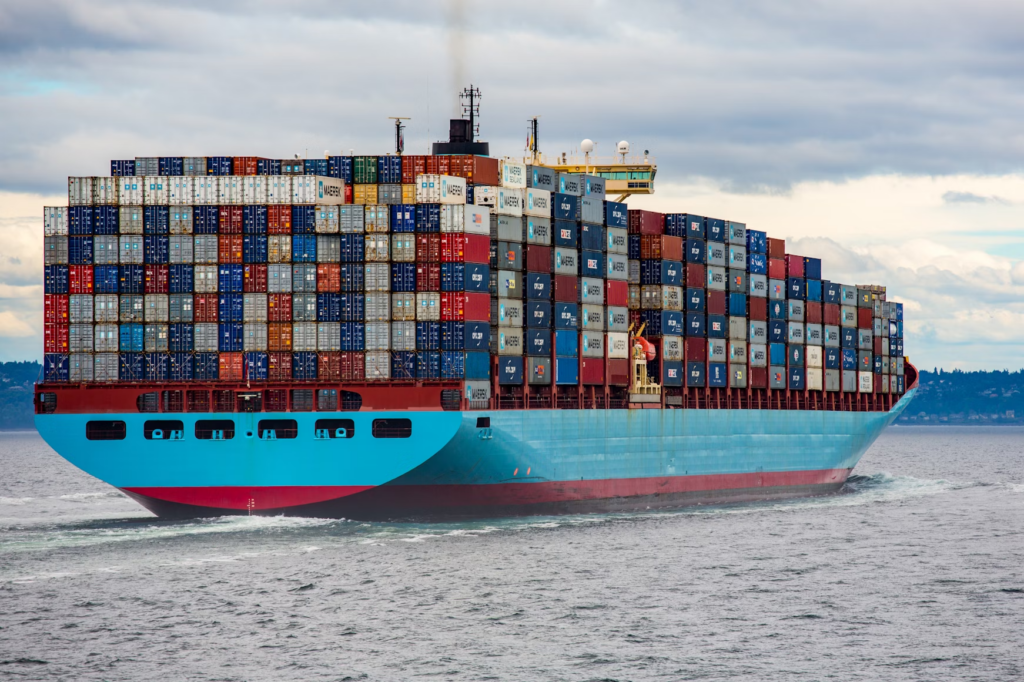
This article takes a comprehensive look at these consequences, analyzing not only the advantages but also the difficulties that are involved with the exportation of goods around the world. To establish sustainable transportation strategies and mitigate the negative effects that these impacts have on our planet and people, it is vital to have a solid understanding of these impacts.
What Are The Effects Of Freight Transportation?
Freight transportation, essential for global trade and economic activity, has several significant effects:
Environmental Impact
- Greenhouse Gas Emissions: Freight transportation contributes to a substantial portion of global greenhouse gas emissions, primarily through the use of fossil fuels in trucks, ships, and aeroplanes.
- Air Pollution: Diesel engines used in trucks and ships emit pollutants like particulate matter and nitrogen oxides, contributing to local air quality issues.
- Noise Pollution: Freight transportation activities generate significant noise pollution, especially in urban areas near ports, railways, and highways.
Infrastructure Impacts
- Road Congestion: Heavy trucks contribute to road wear and congestion, impacting infrastructure maintenance costs and traffic flow.
- Rail and Port Capacity: Efficient freight movement requires well-maintained rail lines and ports, with inadequate capacity leading to delays and inefficiencies.
Economic Effects
- Costs: Transportation costs influence the prices of goods and services, affecting consumer prices and overall economic competitiveness.
- Trade Facilitation: Efficient freight transportation systems are crucial for facilitating international trade and economic growth.
Social And Community Impacts
- Safety Concerns: Freight transportation can pose safety risks, particularly in densely populated areas or when transporting hazardous materials.
- Quality of Life: Noise and air pollution from freight transportation can affect the quality of life for communities near transportation corridors.
Global Trade And Supply Chain Resilience
- Dependency: Global supply chains heavily rely on efficient and reliable freight transportation networks to ensure the timely delivery of goods.
- Resilience: Disruptions in freight transportation, such as natural disasters or geopolitical events, can have widespread impacts on global trade and supply chain resilience.
Addressing these effects requires implementing sustainable transportation practices, promoting alternative fuels and technologies, improving infrastructure resilience, and considering community and environmental impacts in transportation planning and policy-making. Balancing the economic benefits of freight transportation with its environmental and social costs is crucial for achieving sustainable development goals globally.
What Is The Purpose Of Freight Transportation?
The primary purpose of freight transportation is to facilitate the movement of goods from producers to consumers or businesses to businesses. This process is essential for several reasons:
- Economic Exchange: Freight transportation enables the exchange of goods in local, regional, national, and international markets, supporting economic growth, trade, and commerce.
- Supply Chain Management: It plays a critical role in supply chain management by ensuring that raw materials, components, and finished products are delivered to their destinations promptly.
- Accessibility: Freight transportation makes goods accessible to a wider market, allowing businesses to reach customers beyond their immediate geographic area.
- Specialization and Efficiency: It allows businesses to specialize in production while relying on transportation networks to distribute goods efficiently, optimizing resource allocation and reducing costs.
- Global Trade: Freight transportation facilitates global trade by connecting producers and consumers across continents, enabling access to diverse markets and resources.
- Supporting Industries: It supports various industries such as manufacturing, agriculture, retail, and construction by transporting raw materials, equipment, and products necessary for their operations.
Freight transportation is essential for the functioning of modern economies, enabling the movement of goods that underpin economic activities, trade relationships, and everyday consumer needs.
What Is The Most Commonly Used Freight Transportation?
The most commonly used freight transportation modes vary depending on factors like distance, type of goods, and geographic considerations. However, globally, the following modes are among the most commonly used:
- Trucking: Truck transportation is highly versatile and widely used for short to medium-distance freight movements, especially within countries or regions where road infrastructure is well-developed. It’s particularly efficient for door-to-door delivery and last-mile logistics.
- Maritime Shipping: Maritime shipping involves transporting goods by ships across oceans and navigable waterways. It’s crucial for international trade and transportation of bulk commodities like minerals, grains, and fuels. Container shipping, where goods are packed into standardized containers, is a dominant form within this mode.
- Rail Freight: Rail transportation is efficient for long-distance freight movements over land, especially for bulk goods like coal, ores, and agricultural products. It’s known for its cost-effectiveness and environmental advantages over road transport for large volumes.
- Air Cargo: Air transportation is the fastest mode for freight movement over long distances, particularly for perishable goods, high-value items, and time-sensitive shipments. It’s crucial for global supply chains that require rapid delivery.
- Pipeline: Pipelines transport liquids and gases (like oil, natural gas, and chemicals) over long distances with minimal human intervention. They are essential for the energy sector and can transport large volumes efficiently.
The choice of transportation mode depends on factors such as cost, speed, reliability, the nature of goods, distance, infrastructure availability, and environmental considerations. Often, a combination of these modes is used in intermodal transportation, where goods are transferred between different modes during their journey to optimize efficiency and cost-effectiveness.
Is Freight The Same As Transportation?
Although they have many commonalities, the terms freight and transportation are not interchangeable. Transportation encompasses the more general practice of transporting people, products, and information from one location to another through the use of numerous means, including but not limited to vehicles, pipelines, ships, trains, aeroplanes, and trucks. It includes transportation of both people and goods.
Conversely, freight is defined as the tangible items that are moved from one place to another. The transportation of commodities, not people, is its sole concern. Distance, speed, cost, and the specifics of the items being delivered are some of the variables that determine the most appropriate form of transportation for freight.
While the term “transportation” can apply to the movement of people and commodities in general, the term “freight” is more narrowly defined and emphasizes the importance of this sector to international trade, business, and supply chains.
Conclusion
Freight transportation is a vital component of contemporary economies because it enables the effective movement of items that are necessary for commerce, everyday life, and overall economic activity. There are many distinct forms of transportation involved in this essential operation, including trucking, sea shipping, rail freight, air cargo, and pipelines. Each of these modes is suited to different kinds of items, distances, and the requirements of logistics.
There are major obstacles associated with freight transportation, even though it plays an essential part in fostering economic growth and facilitating international trade. A few examples of these are the environmental implications caused by emissions and the use of resources, the stresses placed on infrastructure as a result of excessive use, and the social concerns surrounding safety and the disruption of communities.
To address these difficulties, it is necessary to implement environmentally responsible practices, make technological developments, and engage in careful planning to reduce the adverse consequences on both society and the environment. We can improve the resilience and sustainability of freight transportation systems around the world by optimizing transportation networks, enhancing efficiency, and embracing innovative solutions.
This will ensure that these systems continue to promote economic growth while also limiting their impact on the environment.
Looking for more information? Click their explanation here!
Leave a Reply