What Is Freight Under Management?

The process of entrusting the management of transportation and logistics services to a third-party provider, who is commonly referred to as a third-party logistics (3PL) provider, is referred to as freight under management. This practice often involves outsourcing the administration of these activities. Through the utilization of strategic outsourcing, businesses can take advantage of the expertise and resources provided by specialist logistics firms to enhance the effectiveness of their supply chain operations. 

When companies delegate the administration of their freight to a third-party logistics provider (3PL), they can gain efficiencies in numerous aspects of logistics management, including shipping, warehousing, distribution, and overall logistics management. In this article, a more in-depth investigation of the concept of freight under management is presented. The article focuses on the benefits and drawbacks of this concept, as well as the growing significance of strategic partnerships in the management of modern supply chains.

What Is Freight Under Management?

Freight under management refers to the process where a company outsources the oversight and execution of its freight transportation and logistics operations to a third-party logistics (3PL) provider. This strategic approach allows businesses to leverage the expertise, resources, and network of a specialized logistics partner to optimize their supply chain efficiency.

Key aspects of freight under management typically include:

  • Transportation Management: This involves planning, coordinating, and optimizing the movement of freight, whether by road, rail, sea, or air. The 3PL provider manages everything from carrier selection and negotiation to routing and tracking shipments.
  • Visibility and Tracking: Through advanced technology and systems, the 3PL offers real-time visibility into the status and location of shipments. This transparency helps improve communication, anticipate delays, and ensure on-time delivery.
  • Cost Optimization: By consolidating shipments, negotiating competitive rates with carriers, and implementing efficient transportation strategies, the 3PL helps reduce transportation costs for the client.
  • Risk Management: Managing freight under management includes handling potential risks such as delays, disruptions, and compliance issues. The 3PL implements contingency plans and ensures regulatory compliance to mitigate these risks.
  • Performance Analytics: Utilizing data analytics and reporting tools, the 3PL provides insights into transportation KPIs (Key Performance Indicators) such as transit times, freight spending, and carrier performance. This data-driven approach helps identify areas for improvement and drive operational efficiencies.

Freight under management allows companies to focus on their core competencies while benefiting from the specialized expertise and operational efficiencies provided by a 3PL. It is a strategic decision aimed at improving supply chain performance, reducing costs, and enhancing overall customer satisfaction through reliable and efficient logistics management.

What Type Of Business Is Freight?

It is the transportation and logistics industry that is most closely identified with the concept of freight. It involves the transfer of commodities and cargo from one point to another, often through the utilization of a variety of modes of transportation such as aeroplanes, trains, ships, and trucks. Several different stakeholders are involved in the freight business, including the following:

  • Freight Carriers: These are companies or individuals that transport goods. They could be trucking companies, shipping lines, rail operators, or air cargo carriers.
  • Freight Forwarders: These are intermediaries who arrange and manage the transportation of goods on behalf of shippers. They consolidate shipments, negotiate rates with carriers, handle documentation, and provide logistics services.
  • Third-Party Logistics (3PL) Providers: These are companies that offer outsourced logistics and supply chain management services, including freight management, warehousing, distribution, and fulfilment.
  • Shipping and Freight Brokers: These are intermediaries who facilitate transactions between shippers and carriers. They help match shipping needs with available transportation capacity and negotiate contracts.
  • Logistics Service Providers: These are companies that offer a wide range of logistics services, including freight management, inventory management, order fulfilment, and supply chain consulting.

A big part of the worldwide trade and commerce sector is played by the freight industry. This industry is responsible for ensuring that commodities are transported without any interruptions across a broad variety of distances and geographical locations. To effectively manage and optimize the transportation and delivery of goods from suppliers to customers, it is necessary to make use of complex networks, infrastructure, rules, and technologies.

What Is The Future Of Freight In Australia?

The future of freight management Australia is influenced by several key trends and factors that are shaping the industry:

  • Technological Advancements: Like many other countries, Australia is increasingly adopting digital and automated technologies in freight management. This includes the use of the Internet of Things (IoT) for real-time tracking, Artificial Intelligence (AI) for predictive analytics, and automation in warehousing and transportation.
  • Infrastructure Development: Investment in infrastructure such as ports, railways, and roads is critical for improving freight efficiency and connectivity across the country. Projects like inland rail connections and upgrades to major highways are expected to enhance freight transport capabilities.
  • E-commerce Growth: The rise of e-commerce has led to increased demand for efficient freight and logistics services to handle the movement of goods between businesses and consumers. This trend is driving innovations in last-mile delivery and urban logistics solutions.
  • Sustainability Initiatives: There is a growing emphasis on reducing the environmental footprint of freight transport through initiatives such as electric vehicles, alternative fuels, and efficient routing strategies. Australia’s commitment to sustainability goals will likely influence future freight policies and practices.
  • Regulatory Changes: Regulatory frameworks governing freight transport, including safety standards, environmental regulations, and trade policies, will continue to evolve. These changes can impact operational costs and logistics strategies for businesses involved in freight.
  • Supply Chain Resilience: Recent global disruptions, such as the COVID-19 pandemic, have highlighted the importance of supply chain resilience. There is a growing focus on building robust and agile supply chains that can withstand unexpected disruptions and ensure the continuity of freight operations.

The future of freight in Australia is poised for transformation driven by technology, infrastructure development, sustainability goals, and evolving consumer and business demands. Adapting to these trends will be crucial for stakeholders in the freight industry to remain competitive and meet the evolving needs of customers and supply chains.

Conclusion

The future of freight in Australia is characterized by a dynamic landscape that is determined by technological innovation, the growth of infrastructure, the imperatives of sustainability, and the growing regulatory frameworks. This landscape will be characterized by the growth of infrastructure.

As a result of the effects that digitalization and automation have had on the operations of the business, the logistics industry is put in a position to become more efficient and responsive to the expectations of customers. It is projected that connectivity and capacity will be improved across the continent as a result of investments in infrastructure, which include significant projects such as inland rail development.

Alterations in environmental practices and how last-mile delivery is carried out are also being brought about by the proliferation of online shopping and the growing significance of protecting the environment. While these transformations are taking place, it will be necessary for businesses that wish to survive in the expanding freight sector throughout Australia to have resilient supply chains and the flexibility to react to changes in the regulatory requirements that are being imposed.

Stakeholders can navigate towards a future in which freight transport not only meets but also exceeds expectations for reliability, efficiency, and environmental stewardship. This is only possible if stakeholders are prepared to embrace the opportunities and challenges that are offered to them.
What Are The Effects Of Freight Transportation?

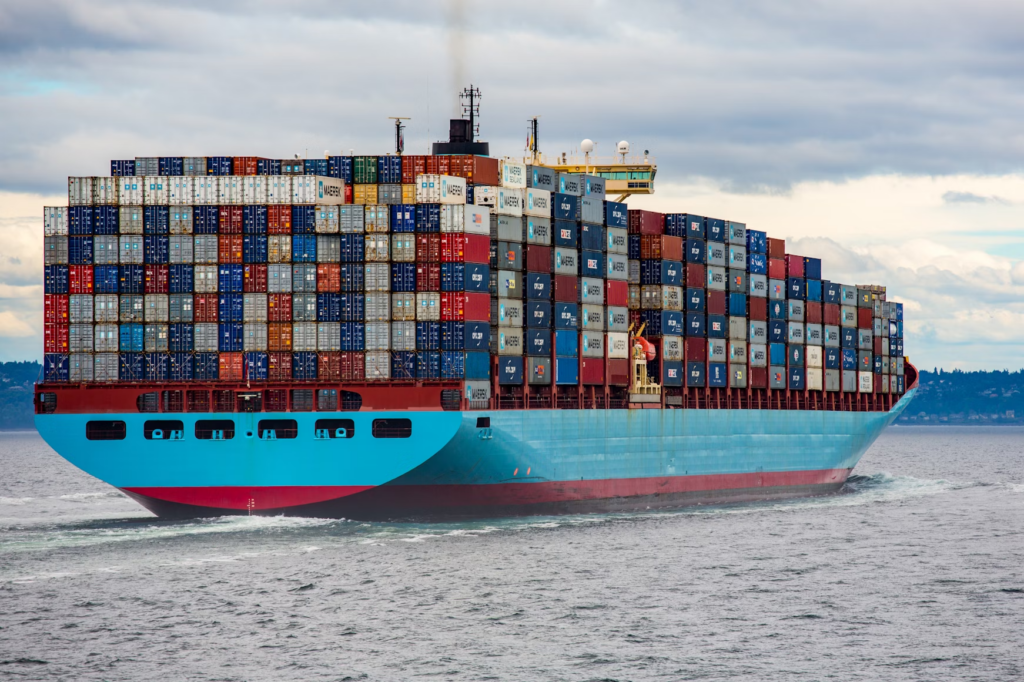
To facilitate the transfer of goods over great distances using a variety of means of transportation, including trucks, trains, ships, and aeroplanes, freight transportation is an essential component of international trade transactions. Even though it is necessary for economic activity and supply chains for consumers, freight transportation also has a substantial influence on the environment, infrastructure, and society as a whole. 

This article takes a comprehensive look at these consequences, analyzing not only the advantages but also the difficulties that are involved with the exportation of goods around the world. To establish sustainable transportation strategies and mitigate the negative effects that these impacts have on our planet and people, it is vital to have a solid understanding of these impacts.

What Are The Effects Of Freight Transportation?

Freight transportation, essential for global trade and economic activity, has several significant effects:

Environmental Impact

  • Greenhouse Gas Emissions: Freight transportation contributes to a substantial portion of global greenhouse gas emissions, primarily through the use of fossil fuels in trucks, ships, and aeroplanes.
  • Air Pollution: Diesel engines used in trucks and ships emit pollutants like particulate matter and nitrogen oxides, contributing to local air quality issues.
  • Noise Pollution: Freight transportation activities generate significant noise pollution, especially in urban areas near ports, railways, and highways.

Infrastructure Impacts

  • Road Congestion: Heavy trucks contribute to road wear and congestion, impacting infrastructure maintenance costs and traffic flow.
  • Rail and Port Capacity: Efficient freight movement requires well-maintained rail lines and ports, with inadequate capacity leading to delays and inefficiencies.

Economic Effects

  • Costs: Transportation costs influence the prices of goods and services, affecting consumer prices and overall economic competitiveness.
  • Trade Facilitation: Efficient freight transportation systems are crucial for facilitating international trade and economic growth.

Social And Community Impacts

  • Safety Concerns: Freight transportation can pose safety risks, particularly in densely populated areas or when transporting hazardous materials.
  • Quality of Life: Noise and air pollution from freight transportation can affect the quality of life for communities near transportation corridors.

Global Trade And Supply Chain Resilience

  • Dependency: Global supply chains heavily rely on efficient and reliable freight transportation networks to ensure the timely delivery of goods.
  • Resilience: Disruptions in freight transportation, such as natural disasters or geopolitical events, can have widespread impacts on global trade and supply chain resilience.

Addressing these effects requires implementing sustainable transportation practices, promoting alternative fuels and technologies, improving infrastructure resilience, and considering community and environmental impacts in transportation planning and policy-making. Balancing the economic benefits of freight transportation with its environmental and social costs is crucial for achieving sustainable development goals globally.

What Is The Purpose Of Freight Transportation?

The primary purpose of freight transportation is to facilitate the movement of goods from producers to consumers or businesses to businesses. This process is essential for several reasons:

  • Economic Exchange: Freight transportation enables the exchange of goods in local, regional, national, and international markets, supporting economic growth, trade, and commerce.
  • Supply Chain Management: It plays a critical role in supply chain management by ensuring that raw materials, components, and finished products are delivered to their destinations promptly.
  • Accessibility: Freight transportation makes goods accessible to a wider market, allowing businesses to reach customers beyond their immediate geographic area.
  • Specialization and Efficiency: It allows businesses to specialize in production while relying on transportation networks to distribute goods efficiently, optimizing resource allocation and reducing costs.
  • Global Trade: Freight transportation facilitates global trade by connecting producers and consumers across continents, enabling access to diverse markets and resources.
  • Supporting Industries: It supports various industries such as manufacturing, agriculture, retail, and construction by transporting raw materials, equipment, and products necessary for their operations.

Freight transportation is essential for the functioning of modern economies, enabling the movement of goods that underpin economic activities, trade relationships, and everyday consumer needs.

What Is The Most Commonly Used Freight Transportation?

The most commonly used freight transportation modes vary depending on factors like distance, type of goods, and geographic considerations. However, globally, the following modes are among the most commonly used:

  • Trucking: Truck transportation is highly versatile and widely used for short to medium-distance freight movements, especially within countries or regions where road infrastructure is well-developed. It’s particularly efficient for door-to-door delivery and last-mile logistics.
  • Maritime Shipping: Maritime shipping involves transporting goods by ships across oceans and navigable waterways. It’s crucial for international trade and transportation of bulk commodities like minerals, grains, and fuels. Container shipping, where goods are packed into standardized containers, is a dominant form within this mode.
  • Rail Freight: Rail transportation is efficient for long-distance freight movements over land, especially for bulk goods like coal, ores, and agricultural products. It’s known for its cost-effectiveness and environmental advantages over road transport for large volumes.
  • Air Cargo: Air transportation is the fastest mode for freight movement over long distances, particularly for perishable goods, high-value items, and time-sensitive shipments. It’s crucial for global supply chains that require rapid delivery.
  • Pipeline: Pipelines transport liquids and gases (like oil, natural gas, and chemicals) over long distances with minimal human intervention. They are essential for the energy sector and can transport large volumes efficiently.

The choice of transportation mode depends on factors such as cost, speed, reliability, the nature of goods, distance, infrastructure availability, and environmental considerations. Often, a combination of these modes is used in intermodal transportation, where goods are transferred between different modes during their journey to optimize efficiency and cost-effectiveness.

Is Freight The Same As Transportation?

Although they have many commonalities, the terms freight and transportation are not interchangeable. Transportation encompasses the more general practice of transporting people, products, and information from one location to another through the use of numerous means, including but not limited to vehicles, pipelines, ships, trains, aeroplanes, and trucks. It includes transportation of both people and goods.

Conversely, freight is defined as the tangible items that are moved from one place to another. The transportation of commodities, not people, is its sole concern. Distance, speed, cost, and the specifics of the items being delivered are some of the variables that determine the most appropriate form of transportation for freight.

While the term “transportation” can apply to the movement of people and commodities in general, the term “freight” is more narrowly defined and emphasizes the importance of this sector to international trade, business, and supply chains.

Conclusion

Freight transportation is a vital component of contemporary economies because it enables the effective movement of items that are necessary for commerce, everyday life, and overall economic activity. There are many distinct forms of transportation involved in this essential operation, including trucking, sea shipping, rail freight, air cargo, and pipelines. Each of these modes is suited to different kinds of items, distances, and the requirements of logistics.

There are major obstacles associated with freight transportation, even though it plays an essential part in fostering economic growth and facilitating international trade. A few examples of these are the environmental implications caused by emissions and the use of resources, the stresses placed on infrastructure as a result of excessive use, and the social concerns surrounding safety and the disruption of communities.

To address these difficulties, it is necessary to implement environmentally responsible practices, make technological developments, and engage in careful planning to reduce the adverse consequences on both society and the environment. We can improve the resilience and sustainability of freight transportation systems around the world by optimizing transportation networks, enhancing efficiency, and embracing innovative solutions.

This will ensure that these systems continue to promote economic growth while also limiting their impact on the environment.

Looking for more information? Click their explanation here!

What Are The Advantages Of Plastering?

The various benefits of plastering, a time-honoured method in building and interior design, make it a popular choice among builders and homeowners. In addition to improving the look of walls and ceilings, plastering makes them more useful and lasts longer.

Modern building methods highlight plastering as a multi-faceted solution, as it improves structural integrity and offers superior acoustic and thermal insulation. Plastering is still an essential aspect of building projects all around the world, and this article explores all the reasons why.

What Are The Advantages Of Plastering?

Plastering, a time-honoured technique in construction and interior design, offers a plethora of advantages that make it a preferred choice for many builders and homeowners. Beyond its aesthetic appeal, plastering provides a durable and versatile finish that enhances the functionality and longevity of walls and ceilings. From improving structural integrity to offering superior acoustic and thermal insulation, plastering stands out as a multifaceted solution in modern building practices.

This article delves into the numerous benefits of plastering, highlighting why it remains an integral part of construction projects worldwide.

Advantages Of Plastering

  • Enhanced Durability: Plaster creates a hard, resilient surface that can withstand wear and tear better than drywall. It is less prone to dents, scratches, and other forms of damage, making it ideal for high-traffic areas.
  • Aesthetic Versatility: Plaster can be moulded into a variety of textures and finishes, allowing for creative and customized interior designs. It provides a smooth, seamless surface that can be painted or decorated according to personal preferences.
  • Improved Acoustic Properties: Plastering significantly enhances the acoustic performance of a room. The dense material reduces sound transmission, providing better soundproofing compared to other wall finishes.
  • Thermal Insulation: Plaster has excellent thermal properties, helping to maintain consistent indoor temperatures. It can contribute to energy efficiency by reducing the need for additional heating or cooling.
  • Fire Resistance: Plaster is non-combustible and can act as a fire barrier, adding an extra layer of safety to buildings. It helps to slow the spread of flames, providing valuable time in emergencies.
  • Moisture Regulation: Plastering helps to manage humidity levels within a building. It can absorb and release moisture, which helps in preventing mould growth and maintain a healthier indoor environment.
  • Longevity and Low Maintenance: Properly applied plaster can last for decades with minimal maintenance. Its durability means less frequent repairs and renovations, saving time and money in the long run.
  • Historical and Architectural Value: In older or historic buildings, plastering maintains the architectural integrity and authenticity of the structure. It is often used in restoration projects to preserve the original aesthetic and construction techniques.
  • Eco-Friendly Option: Many plaster materials are made from natural, non-toxic substances, making it an environmentally friendly choice. It has a lower environmental impact compared to some synthetic wall finishes.

The process of plastering provides a wide range of advantages that extend beyond the simple act of surface treatment. Because of its longevity, adaptability, and functional advantages, it is an excellent option for construction projects that are either contemporary or historic. Plastering is a process that continues to be the most reliable and effective approach for improving the quality and longevity of building interiors. This is true whether one considers the aesthetic possibilities or the practical benefits of plastering.

Which Is Better For Plastering?

Choosing the best material for plastering depends on the specific requirements of the project, such as the desired finish, location, budget, and other functional needs. Here’s an overview of some common plastering materials and their advantages to help determine which might be the best choice for your plastering needs:

Gypsum Plaster

Advantages

  • Quick Setting: Gypsum plaster sets quickly, making it suitable for projects with tight timelines.
  • Smooth Finish: Provides a smooth and fine finish that’s ideal for painting or decorative applications.
  • Lightweight: Easier to handle and apply, reducing labour effort.
  • Fire-Resistant: Naturally fire-resistant, enhancing the safety of interiors.
  • Best For: Interior walls and ceilings where a smooth, paint-ready finish is desired.

Cement Plaster

Advantages

  • Durable: Highly durable and suitable for exterior applications as it withstands weathering.
  • Versatile: Can be used on a variety of substrates including brick, stone, and concrete.
  • Water-resistant: Provides a robust finish that is resistant to moisture and can be used in wet areas.
  • Best For: Exterior walls, wet areas like bathrooms and kitchens, and areas requiring a hard, impact-resistant surface.

Lime Plaster

Advantages

  • Breathable: Allows moisture to evaporate, reducing the risk of dampness and mould.
  • Flexible: More flexible than cement, reducing the risk of cracking due to building movement.
  • Eco-Friendly: Made from natural materials, making it an environmentally friendly choice.
  • Best For: Historic buildings, eco-friendly constructions, and interiors requiring breathable plaster.

Clay Plaster

Advantages

  • Natural and Non-Toxic: Made from natural clay, free from chemicals, suitable for sustainable 
  • building practices.
  • Regulates Humidity: Helps in maintaining indoor humidity levels, improving indoor air quality.
  • Aesthetic Appeal: Offers a rustic, natural look with various texture possibilities.
  • Best For Eco-friendly and natural building projects, interiors seeking a rustic or natural aesthetic.

Venetian Plaster

Advantages

  • Aesthetic Quality: This creates a luxurious, polished marble-like finish with depth and character.
  • Durable: When applied correctly, it’s very durable and long-lasting.
  • Mould and Mildew Resistant: This has properties that resist mould and mildew, contributing to a healthier environment.
  • Best For: High-end interior finishes, feature walls, and areas where a luxurious finish is desired.

The choice of plastering material depends largely on the specific requirements of your project:

  • For a quick, smooth, and paint-ready finish: Gypsum plaster is ideal.
  • For exterior durability and moisture resistance: Cement plaster is the best choice.
  • For historical restorations and breathable, eco-friendly applications: Lime plaster is preferable.
  • For sustainable, natural interiors with humidity regulation: Clay plaster is suitable.
  • For luxurious, high-end finishes with aesthetic appeal: Venetian plaster is unmatched.

By considering the unique needs of your project, you can select the plastering material that best meets your functional and aesthetic requirements.

Conclusion

The choice of plastering material that you make will determine whether or not your construction or remodelling job is successful. No matter what your plastering requirements are, you can choose from a wide range of solutions that are tailored to your preferences and financial constraints.

These options include gypsum, cement, lime, clay, and Venetian plaster. When it comes to interior finishes, gypsum plaster is fantastic because it dries quickly and is smooth. On the other hand, cement plaster is fantastic because it is made to last for a very long time and is suitable for use in wet environments and situations. 

The pliability and breathability of lime plaster make it an ideal material for environmentally responsible building methods and the preservation of historic buildings. Clay plaster is a perfect material for environmentally friendly restorations since it is completely natural and non-toxic, while also managing humidity and enhancing indoor air quality (IAQ). Last but not least, Venetian plaster has an extravagant and sophisticated appearance that is perfect for luxurious residences.

After gaining an understanding of the various benefits that each plastering material offers, you will be able to make a well-informed decision that is suitable for the aesthetic and practical requirements of your project. Whether you are looking for durability, sustainability, rapid application, or exquisite finishing, there is a plastering option that can increase the quality and longevity of your project. This option helps improve the quality of your construction.

For more information, visit www, today!

What Is The Lifespan Of Double Glazed Windows?

Double-glazed windows have become a standard feature in modern homes and buildings due to their energy efficiency, noise reduction properties, and aesthetic appeal. However, like any other component of a building, double-glazed windows have a finite lifespan. Understanding the factors that influence their longevity can help homeowners make informed decisions about maintenance, repair, and replacement.

In this comprehensive guide, we’ll explore the lifespan of double-glazed windows, factors that affect their durability, signs of wear and tear, maintenance tips, and when to consider replacement.

What are Double Glazed Windows?

Double-glazed windows, also known as insulated glass units (IGUs), consist of two panes of glass separated by a space filled with air or inert gas, such as argon or krypton. The space between the glass panes is typically sealed to prevent moisture from entering. This design creates a thermal barrier that reduces heat transfer, making double-glazed windows more energy-efficient than single-pane windows.

The Lifespan of Double-Glazed Windows

The lifespan of double-glazed windows can vary depending on several factors, including the quality of materials, installation, maintenance, and environmental conditions. On average, well-maintained double-glazed windows can last anywhere from 15 to 30 years or more. However, certain factors can either shorten or extend their lifespan.

Factors Affecting Lifespan

Double-glazed windows provide homeowners with a range of benefits, from improved energy efficiency to enhanced comfort and noise reduction. However, their longevity can vary based on several factors. Understanding these factors can help homeowners make informed decisions about installation, maintenance, and replacement. Below, we delve into the key factors that influence the lifespan of double-glazed windows:

Quality of Materials:

The quality of materials used in manufacturing double-glazed windows plays a significant role in determining their lifespan. High-quality glass, seals, and spacers are essential for durability and longevity. Opting for windows made with premium materials can result in better performance and extended lifespan.

Installation:

Proper installation is crucial for the performance and longevity of double-glazed windows. Improper installation can lead to air or moisture infiltration, compromising the integrity of the windows and shortening their lifespan. It’s essential to hire experienced professionals who follow industry best practices to ensure a proper installation.

Maintenance:

Regular maintenance is key to extending the lifespan of double-glazed windows. Cleaning the glass, frames, and seals regularly helps prevent the buildup of dirt, grime, and debris, which can contribute to deterioration over time. Additionally, periodic inspection of seals and gaskets allows for early detection and repair of any issues, such as seal failure or damage.

Environmental Conditions:

The environment in which double-glazed windows are installed can have a significant impact on their lifespan. Exposure to extreme temperatures, sunlight, moisture, and pollutants can accelerate wear and tear on windows. Harsh environmental conditions can cause seals to deteriorate, glass to degrade, and frames to warp or rot prematurely.

Quality of Seal:

The integrity of the seal between the glass panes is critical for preventing moisture ingress and maintaining energy efficiency. If the seal fails, moisture can enter the space between the panes, leading to condensation, fogging, and reduced insulation. High-quality seals that are properly installed can help prolong the lifespan of double-glazed windows.

Usage:

The frequency of use and proper operation of double-glazed windows can impact their lifespan. Excessive opening and closing or improper operation can lead to mechanical failures or damage to window components. Educating occupants about proper window operation and maintenance can help mitigate potential issues and prolong the lifespan of windows.

Quality of Manufacturing:

The manufacturing process plays a crucial role in determining the quality and durability of double-glazed windows. Manufacturers that adhere to strict quality control standards and use advanced technology and techniques are more likely to produce windows that withstand the test of time. Investing in windows from reputable manufacturers known for their quality and reliability can contribute to a longer lifespan.

Thermal Stress:

Double-glazed windows are subjected to thermal stress due to temperature fluctuations, especially in climates with extreme weather conditions. Thermal stress can cause glass panes to expand and contract, putting strain on seals and frames. Over time, this can lead to seal failure, cracks in the glass, or warping of frames, reducing the lifespan of windows.

Exposure to Moisture:

Moisture is a common enemy of double-glazed windows. Exposure to moisture, whether from rain, humidity, or condensation, can lead to mould growth, rotting of frames, and deterioration of seals. Proper drainage and waterproofing around windows, as well as regular inspection and maintenance, are essential for preventing moisture-related damage and extending the lifespan of windows.

External Factors:

External factors such as location, proximity to coastal areas, and exposure to saltwater can also affect the lifespan of double-glazed windows. Coastal regions are more prone to salt corrosion, which can degrade window components over time. Installing windows with corrosion-resistant materials and implementing proper maintenance practices can help mitigate the impact of external factors on window lifespan.

The lifespan of double-glazed windows is influenced by a combination of factors, including the quality of materials, installation, maintenance, environmental conditions, and usage. By understanding these factors and taking proactive measures to address them, homeowners can maximize the longevity and performance of their windows, ensuring years of comfort, energy efficiency, and aesthetic appeal.

Signs of Wear and Tear

Recognizing the signs of wear and tear is essential for assessing the condition of double-glazed windows and determining if they need repair or replacement. Common signs of window deterioration include:

  • Condensation between the panes: Moisture buildup indicates seal failure and compromised insulation.
  • Drafts or air leaks: Gaps or cracks in the seals can allow air infiltration, reducing energy efficiency.
  • Visible damage to glass or frames: Cracks, chips, or warping may compromise the structural integrity of the window.
  • Difficulty opening or closing: Mechanical issues or misalignment can make it challenging to operate the windows properly.

Maintenance Tips

To prolong the lifespan of double-glazed windows and ensure optimal performance, follow these maintenance tips:

a. Regular Cleaning: Clean the glass, frames, and seals regularly using mild detergent and water to remove dirt, grime, and debris.

b. Inspect Seals and Gaskets: Periodically inspect the seals and gaskets for signs of wear, deterioration, or damage. Replace any worn or damaged seals to prevent moisture infiltration.

c. Check for Drafts: Test for drafts or air leaks around the window frames using a candle or a smoke pen. Seal any gaps or cracks with weatherstripping or caulk.

d. Avoid Harsh Cleaners: Avoid using abrasive cleaners or solvents that can damage the glass, frames, or seals.

e. Maintain Proper Ventilation: Proper ventilation helps prevent moisture buildup and condensation on windows. Use exhaust fans in kitchens and bathrooms to reduce humidity levels indoors.

f. Trim Surrounding Vegetation: Trim trees, shrubs, and bushes near windows to prevent branches from scratching or damaging the glass or frames during windy conditions.

g. Professional Inspection: Schedule periodic inspections by a qualified professional to assess the condition of double-glazed windows and address any issues promptly.

When to Consider Replacement

Despite regular maintenance, there may come a time when replacement is necessary. Consider replacing double-glazed windows if:

  • The seals are irreparably damaged, leading to significant condensation or air leakage.
  • The glass is cracked, chipped, or otherwise compromised.
  • The frames are warped, rotted, or deteriorated beyond repair.
  • The windows are outdated and no longer meet energy efficiency standards.
  • Repair costs exceed the cost of replacement.

Conclusion

Double-glazed windows offer numerous benefits, including energy efficiency, noise reduction, and improved comfort. By understanding the factors that influence their lifespan and following proper maintenance practices, homeowners can maximize the longevity and performance of their windows. Regular inspection, cleaning, and repair are essential for identifying issues early and addressing them promptly.

When the time comes for replacement, investing in high-quality windows and professional installation can ensure years of comfort, efficiency, and aesthetic appeal for your home.

If you are interested, click diy double glazed windows for more information. 

How To Do Plastering Step By Step?

The ability to plaster walls and ceilings is essential in building and remodelling projects because it creates a smooth and long-lasting surface. Plastering is a must if you want your walls to look professional, whether you’re fixing them, building new ones, or adding beautiful textures. When you’ve never plastered before, the task could appear overwhelming. But anyone can do remarkable things when they have the correct equipment, supplies, and knowledge.

Beginning with surface preparation, this content will lead you through the whole plastering process, from applying the plaster to attaining a perfect finish. Whether you’re just starting or are interested in plastering as a career, these ideas will be useful. How about we begin?

How To Do Plastering Step By Step?

Plastering involves applying a smooth or textured layer of plaster to walls and ceilings. Whether you’re repairing cracks, covering imperfections, or creating a decorative finish, plastering requires patience and a steady hand. Here’s a step-by-step guide to help you learn the basics of plastering:

Step 1: Gather Your Tools and Materials

Before you start, ensure you have the right tools and materials. Here’s a list of the essentials:

  • Plastering trowel
  • Hawk (plastering board)
  • Plaster mixer or drill with a mixing paddle
  • Joint tape (if needed)
  • Plastering float
  • Buckets for mixing
  • Dust sheets or plastic sheeting
  • Spirit level
  • Corner bead (for edges)
  • Plaster (gypsum or lime-based)
  • PVA adhesive (for priming)

Step 2: Prepare the Surface

Ensure the surface is clean and free of dust, debris, or flaking paint. If you’re working on a painted wall, consider sanding it lightly to create a better bond. If there are cracks or holes, fill them with a filler or base plaster. For areas with different materials (like drywall meeting wood), use joint tape to cover the seams.

Step 3: Apply a Primer or PVA Adhesive

Applying a primer or PVA adhesive to the surface helps the plaster adhere better. Mix PVA with water (usually in a 1:4 ratio) and apply a thin layer to the wall using a brush or roller. Allow it to dry until it’s tacky.

Step 4: Mix the Plaster

Follow the manufacturer’s instructions for mixing the plaster. In general, you will add plaster to water, not the other way around, to avoid lumps. Use a drill with a mixing paddle to achieve a smooth consistency. The mixture should be like thick cream but still spreadable.

Step 5: Apply the First Coat (Scratch Coat)

Load some plaster onto your hawk and use your trowel to apply a thin layer to the wall. Start from the bottom and work your way up, maintaining an even thickness (around 2-3mm). Spread the plaster smoothly, holding the trowel at a slight angle, and use long strokes to avoid ridges. If you’re working on a large area, you may need to apply plaster in sections.

Step 6: Create a Key (for Bonding)

While the first coat is still wet, use a plastering comb or notched trowel to create horizontal grooves (keys). This helps the second coat bond better. Allow the first coat to dry completely before proceeding (usually a few hours to a day).

Step 7: Apply the Second Coat (Finishing Coat)

Mix a fresh batch of plaster and apply a second coat over the dried scratch coat. This coat should be smoother and thinner (around 1-2mm). Work quickly but carefully to avoid ridges or air bubbles. Aim for a smooth finish by using long strokes and slightly angling your trowel.

Step 8: Smooth and Finish

Once the second coat has set but is not completely dry, use a plastering float to smooth out any imperfections or high spots. If you want a polished finish, lightly spray the plaster with water and use the trowel to create a smooth surface. You can also use a fine sanding block for final touch-ups after the plaster has dried.

Step 9: Clean Up and Paint

After the plaster has fully dried (usually a few days), sand any rough spots and clean the surface. Once everything is smooth, you can paint or apply other wall finishes as desired.

With these steps, you’re on your way to achieving a professional plastering result. Remember, practice and patience are key, so don’t get discouraged if your first attempt isn’t perfect.

What Is Plastering?

Plastering is the process of applying a layer of plaster—a material that can be spread over walls, ceilings, and other surfaces—to create a smooth or textured finish. This process is commonly used in building construction and renovation to achieve a flat, even surface, to repair damaged areas, or to add decorative elements.

Key Aspects Of Plastering

  • Purpose: Plastering serves several purposes, including providing a smooth, durable surface for painting or wallpapering, protecting walls from damage, improving fire resistance, and enhancing the aesthetic appearance of interiors.
  • Materials: The most common materials used in plastering are gypsum, lime, or cement-based plasters. Gypsum plaster is widely used in modern construction due to its ease of application and fast drying time, while lime-based plasters are often used for historical restoration or more breathable wall surfaces.
  • Applications: Plastering can be used for a variety of applications, such as covering walls and ceilings, creating architectural features like cornices and mouldings, and adding textured or decorative finishes.

Techniques in Plastering

  • Skimming: This involves applying a thin, smooth coat of plaster over an existing surface, often used to give a clean finish to drywall or cover imperfections.
  • Rendering: This refers to applying plaster or similar material to the exterior of a building to protect it from weather and provide a finished look.
  • Floating: This technique involves applying a thicker layer of plaster to create an even surface, often as a base for further plastering or finishing.
  • Texturing: Plaster can be applied in patterns or textures to create decorative effects on walls and ceilings.

Plastering is a versatile technique that plays a crucial role in construction and interior design, enabling builders and renovators to create seamless, attractive finishes on a variety of surfaces.

Conclusion

Plastering is a fundamental talent in the realm of construction and remodelling, as it is necessary for the creation of smooth and long-lasting surfaces on ceilings and walls. Possessing a fundamental understanding of plastering can provide you with access to a wide range of opportunities, regardless of whether you are undertaking a do-it-yourself project or a professional renovation.

Plastering gives you the power to modify spaces, improve their durability, and attain aesthetic appeal. It can be used for anything from simple repairs and touch-ups to the detailed design of beautiful patterns.

Plastering is a craft for which practice, patience, and the application of the appropriate techniques are essential to achieving success. You are able to obtain outcomes that are on par with those of professionals if you follow the appropriate procedures, make use of the appropriate resources, and hone your skills.

Plastering is a skill that may save you time and money while adding substantial value to your home. Even if you are working in a tiny room or a large structure, having the ability to plaster efficiently can help you save time and money.

It is important to keep in mind that safety is of the utmost importance, thus when working with plastering materials, you should always wear protective gear and observe safety requirements. If you are committed to learning the art of plastering and paying close attention to the details, you will be well on your way to becoming an expert in the field and attaining the results you want. Therefore, get your tools together, get your surface ready, and get started on the plastering!

Things You Need To Know About Overnight Air Freight

In today’s fast-paced global economy, businesses rely on efficient transportation methods to meet tight deadlines and deliver goods promptly. Overnight air freight has emerged as a vital component in the logistics chain, offering rapid delivery solutions that bridge vast distances in minimal time.

Understanding the intricacies of overnight air freight is essential for businesses seeking to optimize their supply chains and meet customer demands. In this comprehensive guide, we delve into the essential aspects of overnight air freight, exploring its benefits, challenges, and best practices.

Overview of Overnight Air Freight

Overnight air freight refers to the expedited transportation of goods via air carriers with the promise of next-day delivery. Unlike traditional shipping methods, which may take days or weeks to deliver goods, overnight air freight ensures rapid transit, allowing businesses to meet urgent deadlines and respond promptly to customer demands. This mode of transportation is particularly crucial for industries such as e-commerce, pharmaceuticals, and perishable goods, where time sensitivity is paramount.

Key Benefits of Overnight Air Freight

  • Speed: The primary advantage of overnight air freight is its unparalleled speed. With aircraft capable of covering vast distances in a matter of hours, businesses can expedite the delivery of time-sensitive goods, reducing lead times and improving customer satisfaction.
  • Reliability: Overnight air freight services often come with guaranteed delivery times, providing businesses with a high level of reliability. This predictability is crucial for meeting deadlines and maintaining supply chain efficiency.
  • Global Reach: Air freight networks span the globe, connecting distant regions and facilitating international trade. Overnight air freight services offer businesses access to a vast network of destinations, enabling them to reach customers worldwide within a short timeframe.

Challenges of Overnight Air Freight

While overnight air freight offers numerous benefits, it also presents several challenges that businesses must navigate:

  • Cost: Expedited shipping services come at a premium, making overnight air freight significantly more expensive than standard shipping methods. Businesses must weigh the cost of expedited delivery against the value of the goods and the urgency of the shipment.
  • Capacity Constraints: Air cargo capacity is finite, and demand for overnight air freight services can fluctuate. During peak seasons or periods of high demand, securing space on cargo flights can be challenging, leading to potential delays.
  • Weather Disruptions: Adverse weather conditions, such as storms or heavy fog, can disrupt air travel and impact the timely delivery of goods. Businesses must account for weather-related risks when planning overnight air freight shipments.

Choosing the Right Carrier and Service Level

Selecting the appropriate air freight carrier and service level is critical to ensuring the success of overnight shipments. Consider the following factors when choosing a carrier:

  • Reputation and Reliability: Partner with reputable carriers known for their reliability and track record of on-time deliveries.
  • Service Level Options: Evaluate the service level options offered by carriers, including express, overnight, and same-day delivery services. Choose the level of service that aligns with your shipment’s urgency and budget.
  • Transit Time and Coverage: Assess the transit times and coverage areas of different carriers to determine which one best meets your needs, especially if shipping internationally.

Packaging and Handling Considerations

Proper packaging and handling are crucial for ensuring the integrity of goods during transit, especially in the fast-paced environment of overnight air freight. Consider the following tips:

  • Secure Packaging: Use durable and secure packaging materials to protect goods from damage during handling and transportation.
  • Labeling and Documentation: Clearly label packages with essential information, including recipient details, handling instructions, and any special handling requirements.
  • Temperature Control: For perishable or temperature-sensitive goods, utilize temperature-controlled packaging to maintain product quality during transit.

Customs and Regulatory Compliance

International overnight air freight shipments are subject to customs regulations and import/export requirements. Ensure compliance with relevant customs regulations and documentation procedures to avoid delays and penalties. Consider partnering with a customs broker or freight forwarder to navigate complex customs processes effectively.

Tracking and Visibility

Real-time tracking and visibility are essential components of efficient overnight air freight operations. Choose carriers that offer robust tracking systems, allowing you to monitor the status and location of shipments throughout the transit process. Proactive monitoring enables businesses to anticipate potential delays and communicate effectively with customers regarding shipment status.

Mitigating Risks and Contingency Planning

Despite careful planning, unforeseen events may occur during overnight air freight operations. Develop contingency plans to mitigate risks and address potential disruptions effectively. Consider factors such as alternative transportation modes, emergency communication protocols, and insurance coverage to safeguard against potential losses.

Continuous Improvement and Optimization

As with any aspect of supply chain management, continuous improvement and optimization are essential for maximizing the efficiency and effectiveness of overnight air freight operations. Regularly evaluate performance metrics, solicit feedback from stakeholders, and identify opportunities for streamlining processes and reducing costs. Embrace technological advancements, such as automation and data analytics, to enhance visibility, transparency, and operational efficiency.

How Much Does Overnight Air Freight Cost In Australia?

The cost of overnight air freight in Australia can vary depending on several factors, including the size and weight of the shipment, the origin and destination locations, the level of service selected, and current market conditions. Generally, overnight air freight services tend to be more expensive than standard shipping methods due to the premium placed on speed and urgency.

To provide a rough estimate, overnight air freight rates in Australia can range from approximately AUD 5 to AUD 15 per kilogram for domestic shipments. However, these rates are subject to fluctuations based on factors such as fuel prices, demand for air cargo space, and carrier-specific pricing policies.

For international overnight air freight shipments originating from or destined for Australia, costs can vary significantly based on factors such as distance, customs duties and taxes, and carrier-specific fees. Additionally, expedited customs clearance services may incur additional charges.

Businesses need to obtain quotes from multiple air freight carriers and compare pricing, service levels, and transit times to determine the most cost-effective and suitable option for their specific shipment requirements. Additionally, negotiating volume discounts or establishing long-term partnerships with preferred carriers can help businesses manage costs and optimize their logistics operations.

Know more about it by clicking overnight air freight australia.

Is It Worth It To Have Overnight Air Freight In Australia?

Whether overnight air freight is worth it for businesses in Australia depends on various factors, including the nature of the goods being shipped, the urgency of delivery, budget constraints, and customer expectations. Here are some considerations to help assess the value of overnight air freight:

  1. Urgency of Delivery: 

Overnight air freight is invaluable for time-sensitive shipments that require rapid delivery to meet tight deadlines. Industries such as e-commerce, healthcare, and manufacturing often rely on overnight air freight to fulfil urgent orders, replenish inventory, or transport critical components.

  1. Customer Expectations: 

In today’s fast-paced consumer environment, customers expect rapid delivery times and responsive service. Offering overnight shipping options can enhance customer satisfaction, differentiate a business from competitors, and potentially lead to repeat business and positive reviews.

  1. Market Competition: 

In competitive markets, the ability to deliver goods quickly can be a key differentiator for businesses. Overnight air freight provides a competitive advantage by enabling businesses to offer expedited shipping services that meet customer demands for speed and reliability.

  1. Cost Considerations: 

While overnight air freight offers rapid delivery, it comes at a premium price compared to standard shipping methods. Businesses must weigh the cost of overnight air freight against the value of the goods being shipped and the potential impact on profit margins. For high-value or time-sensitive goods, the benefits of overnight air freight may justify the higher costs.

  1. Supply Chain Efficiency: 

Overnight air freight can enhance supply chain efficiency by reducing lead times, minimizing inventory holding costs, and improving inventory management. Businesses that prioritize efficiency and responsiveness in their supply chains may find overnight air freight to be a valuable investment.

  1. Risk Mitigation: 

Expedited shipping methods such as overnight air freight can help businesses mitigate risks associated with stockouts, production delays, or supply chain disruptions. By ensuring timely delivery of goods, businesses can minimize the impact of unforeseen events on customer satisfaction and operational continuity.

Ultimately, the decision to use overnight air freight in Australia depends on the specific needs and priorities of each business. Conducting a cost-benefit analysis, evaluating customer requirements, and assessing the competitive landscape can help businesses determine whether overnight air freight aligns with their strategic objectives and operational capabilities.

Additionally, leveraging partnerships with reliable carriers and optimizing logistics processes can help businesses maximize the value of overnight air freight services.

Conclusion

Overnight air freight plays a vital role in today’s interconnected global economy, offering businesses a fast and reliable means of transporting goods across vast distances. While it presents challenges such as cost and capacity constraints, strategic planning, and careful execution can help businesses harness the full potential of overnight air freight services.

By understanding the key considerations outlined in this guide, businesses can optimize their supply chains, meet customer demands, and maintain a competitive edge in the marketplace.

Disadvantages Of Heat Pump Water Heaters

In the pursuit of more energy-efficient and environmentally friendly solutions, heat pump water heaters have emerged as a promising alternative to traditional electric or gas-powered water heaters. By extracting heat from the surrounding air and transferring it to water, these systems can significantly reduce energy consumption and greenhouse gas emissions.

However, like any technology, heat pump water heaters come with their own set of disadvantages that merit careful consideration before making a purchasing decision. In this blog, we will delve into the various drawbacks associated with heat pump water heaters and explore ways to mitigate their impact.

What Are Heat Pump Water Heaters?

Heat pump water heaters (HPWHs) are a type of water heating system that uses a heat pump to transfer heat from the surrounding air to heat water. Unlike traditional water heaters that generate heat directly, such as electric resistance or gas-powered units, heat pump water heaters operate by extracting heat from the air, making them significantly more energy-efficient.

Here’s how a heat pump water heater typically works:

  • Heat Extraction: The process begins with the heat pump drawing in ambient air from the surrounding environment using a fan.
  • Heat Absorption: The heat pump contains a refrigerant that evaporates at low temperatures. As the air passes over the evaporator coil, the refrigerant absorbs heat from the air, causing it to vaporize.
  • Compression: The vaporized refrigerant is then compressed by a compressor, increasing its temperature and pressure. This process further concentrates the heat energy extracted from the air.
  • Heat Transfer: The high-pressure, high-temperature refrigerant gas is passed through a condenser coil immersed in the water storage tank. As the hot refrigerant gas flows through the coil, it releases its heat energy to the water, raising its temperature.
  • Heat Release and Condensation: The transfer of heat from the refrigerant to the water causes the refrigerant to condense back into a liquid state. The condensed refrigerant is then routed back to the evaporator coil to repeat the cycle, while the heated water is stored in the tank for use.

Heat pump water heaters can be integrated into both residential and commercial water heating systems, offering a more energy-efficient alternative to traditional electric or gas-powered water heaters. They are available in various configurations, including standalone units with integrated storage tanks and hybrid systems that combine heat pump technology with traditional heating elements for added versatility and reliability.

Disadvantages Of Heat Pump Water Heaters

It’s essential to consider the potential disadvantages of heat pump water heaters, such as higher upfront costs, space requirements, climate dependence, noise and vibration, and maintenance requirements. To know more about what are the disadvantages of a heat pump water heater, just continue reading the content below.

1. Initial Cost and Installation Challenges:


One of the primary disadvantages of heat pump water heaters is their relatively high upfront cost compared to conventional water heaters. The initial investment can be substantial, especially when considering the cost of the unit itself, installation fees, and any necessary modifications to the existing plumbing and electrical systems. Additionally, the installation process can be complex, requiring careful planning and professional expertise to ensure optimal performance.


To mitigate this disadvantage, consumers should explore available incentives and rebates offered by government agencies or utility companies to offset the initial cost. Additionally, selecting a reputable contractor with experience in installing heat pump water heaters can help minimize installation challenges and ensure reliable operation.

2. Space Requirements and Location Constraints:


Heat pump water heaters typically require more space than traditional water heaters due to the size of the unit and the need for adequate ventilation. This can pose challenges for homeowners with limited space or those living in multi-family dwellings where space is at a premium. Furthermore, the location of the heat pump water heater can impact its efficiency and performance.


To address space constraints, homeowners should carefully assess their available space and choose a suitable location for the heat pump water heater. Additionally, proper ventilation is essential to prevent overheating and ensure optimal operation. Consulting with a professional installer can help determine the best location for the unit and ensure compliance with safety regulations.

3. Climate Dependence and Seasonal Variability:


Another significant disadvantage of heat pump water heaters is their reliance on ambient air temperature to generate heat. In colder climates or during periods of extreme cold, the efficiency of heat pump water heaters may be reduced, leading to longer heating times and higher energy consumption. Additionally, the performance of heat pump water heaters can vary seasonally, with lower efficiency during the winter months when temperatures are colder.


To mitigate the impact of climate dependence, homeowners can consider supplemental heating options, such as electric resistance elements, to ensure a consistent hot water supply during periods of low ambient temperatures. Additionally, proper insulation of the unit and surrounding pipes can help minimize heat loss and improve overall efficiency.

4. Noise and Vibration:


Heat pump water heaters can produce noise and vibration during operation, which may be disruptive in quiet living spaces or bedrooms. The compressor and fan components of the unit can generate sound levels comparable to a refrigerator or air conditioner, especially during peak heating cycles.


To address noise and vibration issues, homeowners should carefully consider the placement of the heat pump water heater to minimize its impact on living areas. Additionally, selecting a unit with noise-reducing features or investing in sound insulation materials can help mitigate noise and vibration concerns.

5. Maintenance Requirements and Lifespan:


Like any mechanical system, heat pump water heaters require regular maintenance to ensure optimal performance and longevity. Routine tasks such as cleaning the air filter, inspecting the evaporator and condenser coils, and checking refrigerant levels are essential to prevent efficiency losses and prolong the lifespan of the unit. However, neglecting maintenance can lead to reduced efficiency, increased energy consumption, and potentially costly repairs.


To minimize maintenance requirements and maximize the lifespan of the unit, homeowners should follow the manufacturer’s recommended maintenance schedule and conduct regular inspections of the heat pump water heater. Additionally, investing in a service contract or extended warranty coverage can provide peace of mind and protection against unexpected repair costs.

Conclusion

While heat pump water heaters offer numerous benefits, including energy efficiency and environmental sustainability, they are not without their disadvantages. From high upfront costs and installation challenges to climate dependence and maintenance requirements, homeowners must carefully weigh the pros and cons before investing in this technology.

By understanding the potential drawbacks and implementing strategies to mitigate their impact, homeowners can make informed decisions and enjoy the long-term benefits of heat pump water heaters.

What Is Solar Energy Flow?

Solar energy flow is a realm that you are about to enter. We are going to begin a journey to investigate the intriguing phenomena of solar energy and its path from the sun to our everyday lives in this article. We are going to delve into the complex processes and technology that are responsible for harnessing this plentiful source of renewable energy, beginning with its origins in the core of our solar system and ending with its transformation into electricity that can be used.

As we explore the mysteries of solar power and its potential to revolutionise the way we generate and consume energy, we invite you to join us in this exploration.

What Is Solar Energy Flow?

Solar energy flow refers to the movement of energy from the sun to Earth and its conversion into various usable forms, such as electricity or heat. This process involves several steps:

  • Solar Radiation: The sun emits electromagnetic radiation, including visible light, infrared radiation, and ultraviolet light.
  • Solar Absorption: Earth’s atmosphere absorbs a portion of this solar radiation while the rest reaches the Earth’s surface.
  • Conversion: Solar energy is converted into usable forms through various technologies, such as solar panels (photovoltaic cells) that convert sunlight directly into electricity, or solar thermal systems that capture solar energy to heat water or air.
  • Utilization: The converted solar energy is utilized for various purposes, including powering homes, businesses, and industrial processes, as well as heating water for residential and commercial use.
  • Circulation: Excess solar energy can be stored in batteries or fed into the electrical grid for distribution to consumers.

Solar energy flow represents a sustainable and renewable source of power that has the potential to reduce dependence on fossil fuels and mitigate climate change.

What Is The Process Flow Of Solar Panels?

The process flow of a solar panel involves several steps from the manufacturing of the solar cells to the installation and utilization of the solar panel for generating electricity. Here’s a simplified overview of the process flow:

  • Silicon Ingot Production: The process begins with the production of silicon ingots, which are cylindrical blocks of high-purity silicon. This silicon is derived from quartzite gravel or silicon dioxide, which is then purified through a series of chemical processes to remove impurities.
  • Wafer Production: The silicon ingots are sliced into thin wafers using a wire saw. These wafers typically have a thickness of around 150-200 micrometres. The wafers are then polished to remove any imperfections and to ensure a smooth surface.
  • Solar Cell Fabrication: The silicon wafers are treated with dopants (typically phosphorus and boron) to create a semiconductor material with a positive and negative charge. This process forms the basis of a photovoltaic cell. Metal contacts are then applied to the front and back of the wafer to allow for the extraction of electrical current.
  • Module Assembly: Multiple solar cells are interconnected to form a solar module or panel. The cells are typically soldered together using conductive adhesives or metal ribbons. A layer of encapsulant, usually ethylene vinyl acetate (EVA), is then applied to the cells to protect them from environmental factors such as moisture and mechanical stress.
  • Frame and Backsheet: The solar cells are sandwiched between a front glass cover and a backsheet material, usually made of polymer or metal, to provide structural support and protection against the elements. A frame is then attached to the perimeter of the panel to enhance rigidity and facilitate installation.
  • Testing and Quality Control: Each solar panel undergoes rigorous testing to ensure its performance meets industry standards. This includes electrical testing to measure voltage, current, and power output under simulated sunlight conditions, as well as visual inspection for any defects or irregularities.
  • Installation: Once manufactured, solar panels are installed on rooftops, ground-mounted structures, or integrated into building facades to capture sunlight and convert it into electricity. The panels are positioned at an optimal angle and orientation to maximize solar exposure throughout the day.
  • Electricity Generation: When sunlight strikes the solar panels, the photovoltaic cells within the panels generate direct current (DC) electricity. This electricity is then converted into alternating current (AC) electricity using an inverter, which can be used to power electrical loads in homes, and businesses, or fed into the grid for distribution to other consumers.

Throughout this process, careful attention is paid to efficiency, durability, and sustainability to ensure that solar panels provide a reliable and environmentally friendly source of renewable energy.

Why Is Solar Energy A Flow Resource?

Solar energy is considered a flow resource because it is continuously replenished by natural processes and does not deplete over time in a human-relevant timeframe. Here are some key reasons why solar energy is classified as a flow resource:

  • Renewable Nature: Solar energy is derived from the sun, which is a virtually inexhaustible source of energy. The sun’s energy is expected to be available for billions of years, making it renewable on human timescales.
  • Continuous Availability: The sun shines every day, providing a constant and predictable source of energy. While the amount of sunlight varies based on factors such as weather, time of day, and geographic location, it is consistently available in some form virtually everywhere on Earth.
  • Non-Depletable: Unlike finite resources such as fossil fuels, which are extracted from the Earth’s crust and can be depleted over time, solar energy is not consumed during its use. When solar radiation is captured and converted into electricity or heat, the energy remains available for future use without diminishing the overall resource.
  • Minimal Environmental Impact: Harnessing solar energy for electricity generation or heating does not produce greenhouse gas emissions or other harmful pollutants, making it environmentally sustainable. Solar technologies have minimal adverse effects on ecosystems and contribute to mitigating climate change.
  • Technological Advancements: Advances in solar technology, such as improvements in solar panel efficiency and decreases in manufacturing costs, continue to make solar energy increasingly viable and accessible. This ongoing innovation enhances the potential for widespread adoption and utilization of solar energy resources.

Solar energy’s inherent characteristics of abundance, renewability, and minimal environmental impact position it as a vital component of the transition to a sustainable energy future. As long as the sun continues to shine, solar energy will remain a reliable and inexhaustible source of power for humanity.

Conclusion

There is no doubt that solar energy is a wonderful resource that can completely revolutionise our energy environment. Its status as a flow resource, which is characterised by its renewable nature, constant availability, non-depletable quality, minimum impact on the environment, and ongoing technological improvements, puts it as a cornerstone of a future that is sustainable in terms of energy.

We can reduce our reliance on limited fossil fuels and mitigate the effects of climate change by harnessing the power of the sun to create electricity, heat water, and meet a wide variety of energy needs. This is all while reducing our total energy use. There are prospects for economic growth, job creation, energy independence, and environmental stewardship that can be realised through the widespread adoption of solar energy technologies.

In the process of continuing to innovate and invest in solar technology, we are laying the groundwork for an energy system that is cleaner, more environmentally friendly, and more resilient. We can create a more promising future for future generations by including solar energy as a significant part of our energy portfolio. This will allow us to harness the limitless energy that the sun provides.

For more information, click this guide “solar flow”.

Is It Easy To Change Garage Door?

If you have the correct equipment and the right information, changing a garage door can be a pretty basic operation. Although it may appear to be a difficult task, it is rather simple.

The purpose of this article is to lead you through the processes necessary to make the transition as easy as possible, whether you are upgrading to a newer model for enhanced security and aesthetics or fixing damage caused by wear and tear. We are going to cover all you need to know to handle this home renovation project with confidence, from choosing the door that is best suited to your requirements to installing it securely.

Is It Easy To Change Garage Door?

Changing a garage door can be a moderately challenging task, depending on your level of experience with DIY projects and the complexity of the installation. Here are some factors to consider:

  • Skill Level: If you’re comfortable with basic tools and have experience with home improvement projects, changing a garage door might be manageable. However, if you’re not familiar with carpentry or mechanical systems, it could be more difficult.
  • Tools Required: You’ll need a variety of tools, including a drill, wrenches, screwdrivers, and possibly a ladder or scaffolding. Additionally, installing a garage door often requires specific tools like a level, plumb bob, and winding bars for torsion spring systems.
  • Time Commitment: Changing a garage door is not typically a quick job. It can take several hours or even a full day, depending on the complexity of the installation and any unexpected issues that arise.
  • Safety Considerations: Working with heavy garage door panels and torsion springs can be dangerous if proper safety precautions aren’t followed. It’s essential to carefully read and follow all manufacturer instructions and safety guidelines to avoid injury.
  • Complexity of Installation: Installing a basic garage door on a standard-sized opening may be more straightforward than retrofitting a custom-sized door or dealing with structural issues in the garage.
  • Permitting and Regulations: Depending on your location and the scope of the project, you may need to obtain permits or adhere to local building codes. This adds an extra layer of complexity to the process.

While changing a garage door is feasible for many DIY enthusiasts, it’s essential to assess your skills, have the right tools on hand, and prioritize safety throughout the process. If you’re uncertain or uncomfortable with any aspect of the installation, it may be wise to hire a professional garage door installer to ensure the job is done correctly and safely.

Can I Change My Garage Door?

Yes, you can certainly change your garage door. Whether you want to upgrade to a newer model for improved security, aesthetics, or functionality, or if you need to replace a damaged door, it’s a feasible project. Here are the general steps you’ll need to replace garage door:

  • Assess Your Needs: Determine why you want to change the garage door. Are you looking for better insulation, improved security features, or simply a fresh look?
  • Choose a New Door: Select a garage door that meets your requirements in terms of style, material, insulation, and size. Consider factors such as durability, maintenance requirements, and compatibility with your garage’s architecture.
  • Gather Tools and Materials: Make sure you have all the necessary tools and materials for the installation, including a drill, wrenches, screwdrivers, level, plumb bob, and any specific tools recommended by the door manufacturer.
  • Measurements and Preparation: Measure the dimensions of your garage opening accurately to ensure you purchase the right size door. Prepare the opening by removing the old door and inspecting the frame for any damage or repairs needed.
  • Installation: Follow the manufacturer’s instructions carefully to install the new garage door. This typically involves attaching the track and hardware, installing the panels, and connecting the springs and opener mechanism if applicable. It’s crucial to ensure everything is level and properly aligned during installation.
  • Testing and Adjustments: Test the operation of the door to ensure it opens and closes smoothly. Make any necessary adjustments to the springs, tracks, and opener settings to achieve proper functionality.
  • Safety Considerations: Throughout the installation process, prioritize safety by following all manufacturer instructions and safety guidelines. Working with heavy door panels and torsion springs can be dangerous if proper precautions aren’t taken.

If you’re not comfortable with DIY projects or if the installation seems too complex, it’s perfectly fine to hire a professional garage door installer. They have the expertise and experience to ensure the job is done correctly and safely.

Is It Safe To Replace Garage Door Springs?

The garage door springs are a potential safety threat because of the amount of stress they hold. When handled improperly, the tremendous pressure on these springs can result in catastrophic harm or perhaps death. For this reason, most people advise having a professional handle the task of replacing the springs because they have the necessary training, experience, and equipment to do so safely.

You can replace the springs on your own if you’re comfortable with garage door repairs and know what you’re doing. Wear protective clothing, gently release tension from the old springs, and install the new springs appropriately according to the manufacturer’s directions. Be sure to observe all safety precautions.

Call a pro if you don’t feel confident in your skills to securely change the springs on your garage door. In addition to reducing the likelihood of accidents, they may guarantee that the work is done properly. When working with garage door springs, safety must always come first.

Here are a few more examples of safety precautions to follow when replacing garage door springs:

  • Use the Right Tools: Make sure you have the proper tools for the job, including winding bars, vice grips, and locking pliers. Using improvised tools can increase the risk of accidents.
  • Release Tension Safely: Before attempting to remove the old springs, release the tension carefully according to manufacturer instructions. Failure to do so can result in the springs snapping loose with dangerous force.
  • Secure the Door: Ensure the garage door is securely supported in the open position before working on the springs. This prevents the door from falling unexpectedly and causing injury.
  • Work with a Partner: It’s advisable to have someone assist you when replacing garage door springs. They can help with tasks like holding the door in place or providing additional safety support.
  • Protective Gear: Wear safety goggles, gloves, and other appropriate protective gear to shield yourself from flying debris or accidental contact with the springs.
  • Follow Instructions Carefully: Read and follow the manufacturer’s instructions meticulously throughout the entire process. Skipping steps or improvising can lead to accidents.
  • Inspect Regularly: After replacing the springs, periodically inspect them for signs of wear or damage. Regular maintenance can help prevent unexpected failures and prolong the lifespan of the springs.
  • Consider Professional Help: If you’re unsure about any aspect of the spring replacement process or if you encounter difficulties, don’t hesitate to seek assistance from a qualified garage door technician.

Remember, the goal is to prioritize safety at all times when working with garage door springs. If you’re uncomfortable with the risks involved or lack the necessary experience, it’s best to leave the task to professionals who can ensure the job is done safely and effectively.

Conclusion

Due to the inherent dangers of the job, changing garage door springs calls for experience and care. Because of the high tension, these springs are extremely dangerous to handle carelessly. Use the correct tools, release tension carefully, secure the door correctly, use protective gear, and follow manufacturer directions attentively; these are all critical safety considerations to follow.

It is feasible for competent people to change garage door springs on their own, but it is usually wise to use experts because they know what they’re doing and can do the work securely. To avoid mishaps and guarantee a positive result, safety must be prioritised all through the process.

Is Plastering An Easy Job?

Plastering, which is typically thought of as a straightforward task, requires a high level of skill and precision to produce a defect-free finish. In the scope of this article, the complexity of plastering is analysed, including the challenges that it presents, the methods that are used, and the amount of expertise that is required to become an expert in this skill.

To be successful in any task, it is essential to have a comprehensive understanding of the nuances of plastering. This is true regardless of whether you are a novice DIY enthusiast or an experienced professional.

What Is Plastering?

Plastering is a construction method that is utilised to produce surfaces that are smooth, long-lasting, and visually beautiful on the interior walls and ceilings of a building. Plastering is the process of applying a mixture that is commonly composed of gypsum, lime, sand, and water. This mixture is applied to surfaces that have been prepared. Several tools, including trowels and floats, are used to distribute the plaster throughout the surface in an even manner. 

After that, the plaster is smoothed out to obtain a finish that is consistent throughout. Plastering serves several objectives, including providing a substrate for the application of paint or wallpaper, concealing faults in the surface that is underneath, and enhancing the overall appearance of a room. Therefore, to produce professional results, it is necessary to have precision, pay attention to detail, and have an awareness of the various plastering techniques.

Is Plastering An Easy Job?

The process of plastering requires a lot of practice, perseverance, and precision, even though it could appear simple at first glance. Although it might not be difficult to learn the principles, it might be challenging to get a professional appearance, particularly for those who are just starting. The preparation of the surface, the consistency of the plaster mix, and the application method are the most important factors. 

Three factors will decide the outcome. Plastering is an art form that requires expertise and time to perfect because it involves learning to fix common difficulties such as cracks, uneven surfaces, and drying times. Plastering is a form of workmanship that requires time and effort to perfect. Because of this, plastering is not exactly rocket science; yet, it does require concentration and a desire to improve one’s skills in this matter.

Here are some more examples of why plastering is not always an easy job:

  • Surface Preparation: Properly preparing the surface to be plastered is essential for a smooth finish. This may involve cleaning, priming, and repairing any imperfections such as cracks or holes. Achieving a flat and stable base can be time-consuming and requires attention to detail.
  • Consistency of Plaster Mix: Getting the plaster mix just right is crucial for a successful plastering job. The mix should have the correct ratio of plaster to water, and achieving the right consistency can take practice. Too thick, and it can be difficult to spread smoothly; too thin, and it may sag or crack.
  • Application Technique: Applying plaster evenly and smoothly requires skill and precision. Beginners may struggle with techniques such as floating, skimming, and feathering to achieve a seamless finish. Additionally, knowing when to apply multiple coats and how to properly trowel and smooth the surface takes practice to master.
  • Drying and Setting Time: Plastering requires patience, as the drying and setting times can vary depending on factors such as humidity and temperature. Rushing this process can result in a subpar finish or even cause cracks to form as the plaster dries unevenly.
  • Problem Solving: Despite careful preparation, issues such as air bubbles, cracks, or uneven drying can still occur during plastering. Knowing how to identify and address these problems requires experience and adaptability.
  • Health and Safety: Working with plaster can pose health risks if proper safety precautions are not followed. Dust from dry plaster can irritate the respiratory system, and wet plaster can cause skin irritation. Using protective gear such as masks, goggles, and gloves is essential to mitigate these risks.

Plastering may appear to be a simple task at first appearance; nonetheless, it requires a considerable amount of technical expertise, attention to detail, and the ability to solve problems, all of which can make it difficult for persons who lack substantial experience.

Can A Beginner Do Plastering?

Yes, a beginner can certainly learn to do plastering with practice, patience, and the right guidance. While plastering may seem daunting at first, many people successfully pick up the skills required to plaster surfaces with time and dedication.

Here are some steps beginners can take to learn plastering:

  • Research and Education: Start by familiarizing yourself with the basics of plastering. There are many resources available, including online tutorials, books, and videos, that can provide valuable information on techniques, materials, and tools used in plastering.
  • Start Small: Begin with small projects or practice areas to gain confidence and refine your skills. This could involve patching small holes or cracks in walls before progressing to larger surfaces.
  • Gather the Right Tools and Materials: Invest in the necessary tools and materials required for plastering, including trowels, floats, plaster mix, and protective gear. Having the right equipment can make the process smoother and more efficient.
  • Practice Proper Technique: Focus on mastering fundamental plastering techniques such as applying plaster evenly, smoothing the surface, and feathering edges. Practice these techniques repeatedly to improve your proficiency.
  • Seek Guidance: Consider taking a plastering course or workshop where you can learn from experienced professionals. Alternatively, reach out to knowledgeable individuals in your network for advice and guidance.
  • Learn from Mistakes: Understand that mistakes are a natural part of the learning process. Instead of becoming discouraged, use mistakes as learning opportunities to identify areas for improvement and refine your technique.
  • Be Patient and Persistent: Plastering is a skill that takes time to develop, so be patient with yourself as you progress. With consistent practice and dedication, you will gradually become more proficient in plastering.

By taking a systematic approach and gradually building your skills, even a beginner can learn to plaster surfaces effectively. Remember to practice proper safety precautions and to seek assistance or guidance when needed.

Conclusion

Plastering is a talent that can be mastered with time, practice, and perseverance, even though it may appear to be intimidating at first for those who are just starting. Even though it needs patience and careful attention to detail, anyone can become proficient at plastering if they are provided with the appropriate training and materials.

The learning process consists of several critical elements, including beginning with a tiny amount of work, acquiring the appropriate tools and supplies, and practising the correct technique. To improve plastering skills, it is essential to seek advice from specialists who know the field and to learn from experience gained through failures.

Last but not least, patience and perseverance are necessary. Those who are just starting in the plastering industry can build the self-assurance and expertise necessary to complete plastering tasks by accepting difficulties, being dedicated to learning, and consistently perfecting their techniques. Plastering is likely to be a skill that requires devotion and practice to become a gratifying and pleasant skill to master, even though it may not be easy at first.

In search of more information? Click painters northcote, now!